20 Painting Ideas For Kids | Fun & Creative Art Projects
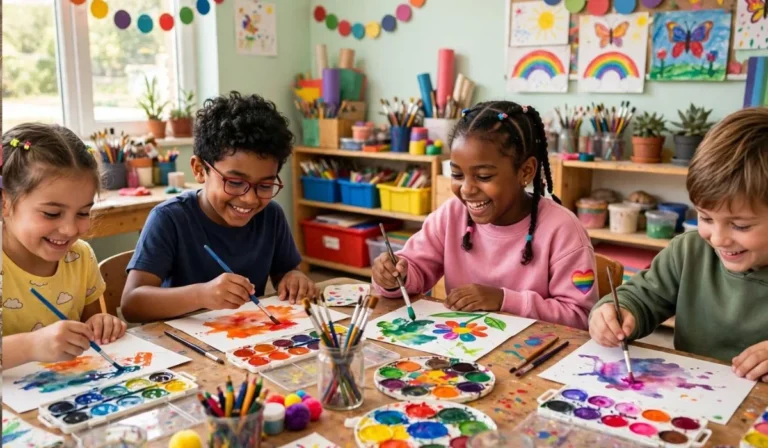
Painting is one of the easiest and most enjoyable creative activities for children. It gives kids a chance to experiment with colors, shapes, textures, and simple artistic techniques while creating something they can proudly display. From finger painting to nature-inspired artwork, there are plenty of painting ideas for kids that work for preschoolers, elementary-age children, and family craft sessions.
These activities can be adapted to different ages and skill levels. Younger children can focus on exploring colors and textures, while older kids can experiment with patterns, landscapes, animals, and mixed-media techniques. Most of these projects require only basic supplies such as washable paint, paper, brushes, sponges, cotton swabs, and recycled materials.
Easy Painting Ideas for Kids:
1. Rainbow Finger Painting
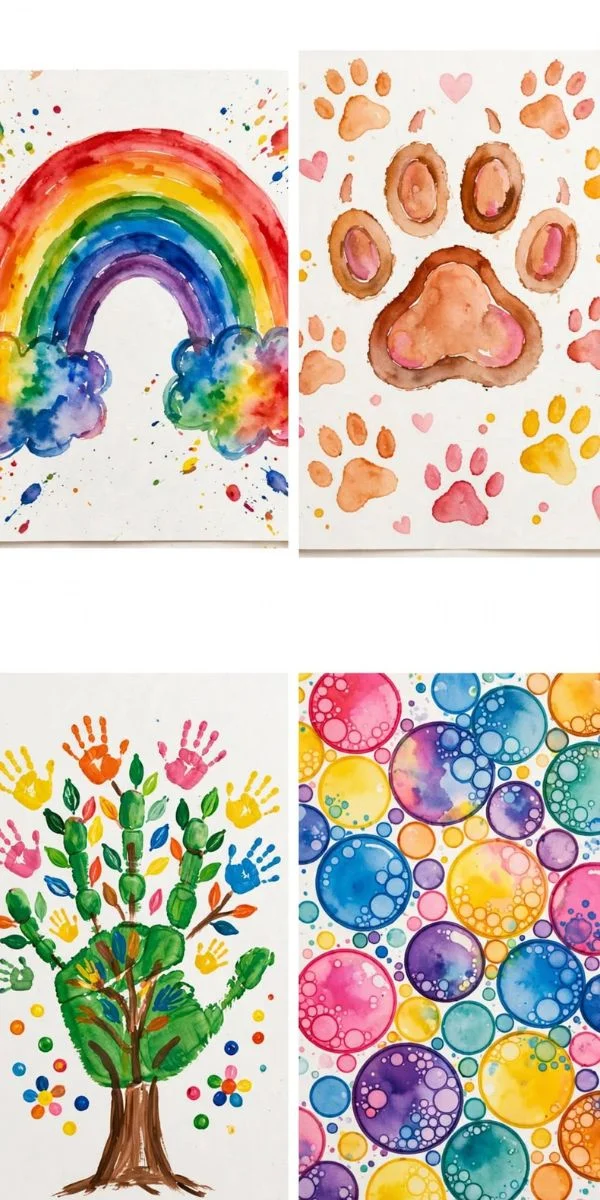
Rainbow finger painting is a colorful activity that lets children create artwork without worrying about perfect brush strokes. Give each child washable paints in several rainbow colors and a large sheet of paper.
Kids can make curved lines, dots, swirls, and overlapping fingerprints to form a rainbow. Younger children can simply explore how different colors look next to one another.
Finger painting is also a useful sensory activity because children experience paint through touch while learning about color and movement.
2. Sponge Painted Flowers
Turn ordinary kitchen sponges into simple flower stamps. Cut a sponge into a flower-like shape or use small round pieces for flower centers.
Children can dip the sponge into washable paint and press it onto paper to create colorful flowers. Add green painted stems and leaves with a thin brush.
This project is especially suitable for spring crafts, Mother’s Day activities, classroom art, or a simple afternoon painting session.
3. Cotton Swab Dot Painting
Cotton swabs can become inexpensive painting tools for children. Pour several paint colors onto a palette and let kids dip the end of a cotton swab into the paint.
They can create flowers, butterflies, balloons, fruit, or abstract patterns using small dots. Older children can use different dot sizes to add details and texture.
This activity encourages children to practice controlled hand movements while creating colorful artwork.
4. Bubble Wrap Painting
Bubble wrap creates an interesting textured effect that children can use to make unusual paintings. Apply paint to the bubble side of a small piece of bubble wrap and gently press it onto paper.
After removing the bubble wrap, the paper will have a pattern of small painted circles. Kids can turn the texture into backgrounds for fish, flowers, planets, or abstract artwork.
It is a fun way to show children that everyday materials can become creative art tools.
5. Shape Painting
Give children paper cutouts shaped like circles, triangles, squares, rectangles, and hearts. They can place the shapes on paper and paint around or over them.
Once the paint dries, remove the shapes to reveal interesting patterns. Older kids can combine several shapes to create houses, robots, animals, or imaginary characters.
This project connects painting with basic shape recognition and visual design.
Nature-Inspired Painting Ideas:

6. Hanrint Tree Painting
Create a tree using a child’s hanrint as the trunk and branches. Paint the palm and fingers with brown washable paint and carefully press them onto paper.
After it dries slightly, children can add colorful fingerprints as leaves. Green works well for spring and summer trees, while red, orange, yellow, and brown create a beautiful fall version.
The finished artwork can also become a seasonal keepsake.
7. Painted Leaf Prints
Collect clean, dry leaves from outdoors and use them as natural painting stamps. Brush a thin layer of paint onto the textured side of a leaf.
Press it firmly onto paper and lift it carefully. The leaf veins can create beautiful natural patterns.
Children can repeat the process with different leaf shapes and colors to create a garden, forest scene, or abstract composition.
8. Rainbow Garden Painting
A rainbow garden combines flowers, leaves, stems, and bright colors in one project. Kids can paint a row of flowers using different colors of the rainbow.
Encourage them to add insects, clouds, grass, butterflies, or a bright sun. There is no need for realistic proportions, making this a relaxed project for young artists.
This activity can also introduce children to the idea of arranging colors in a repeating sequence.
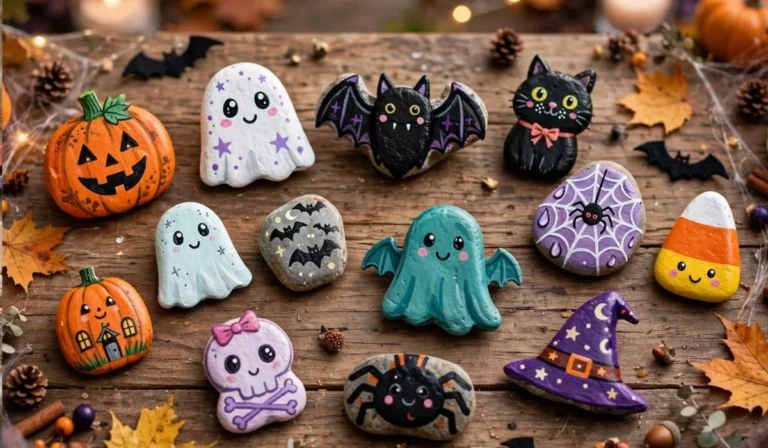
9. Rock Painting for Kids
Smooth, clean rocks can become tiny canvases for children’s artwork. Kids can paint simple designs such as ladybugs, flowers, smiley faces, rainbows, mushrooms, or small animals.
Use washable or child-appropriate acrylic-style craft paint with adult supervision and allow painted rocks to dry completely.
Rock painting is a particularly flexible activity because each child can choose a completely different design.
10. Sunset Silhouette Painting
Create a simple sunset using warm colors such as yellow, orange, pink, and purple. Blend the colors across the paper while they are still slightly wet.
Once the background dries, children can paint dark silhouettes of trees, birds, mountains, or houses over the sunset.
This project introduces kids to the contrast between a bright background and a darker foreground.
Animal and Imagination Painting Ideas:
11. Butterfly Sponge Painting
Fold a piece of paper in half and open it again. Kids can paint colorful patterns on one side using a brush, sponge, or fingerprints.
Fold the paper together while the paint is still wet and gently press it. When opened, the mirrored design resembles butterfly wings.
Add a body and antennae after the paint dries. This activity introduces children to symmetry in a playful way.
12. Underwater Ocean Painting
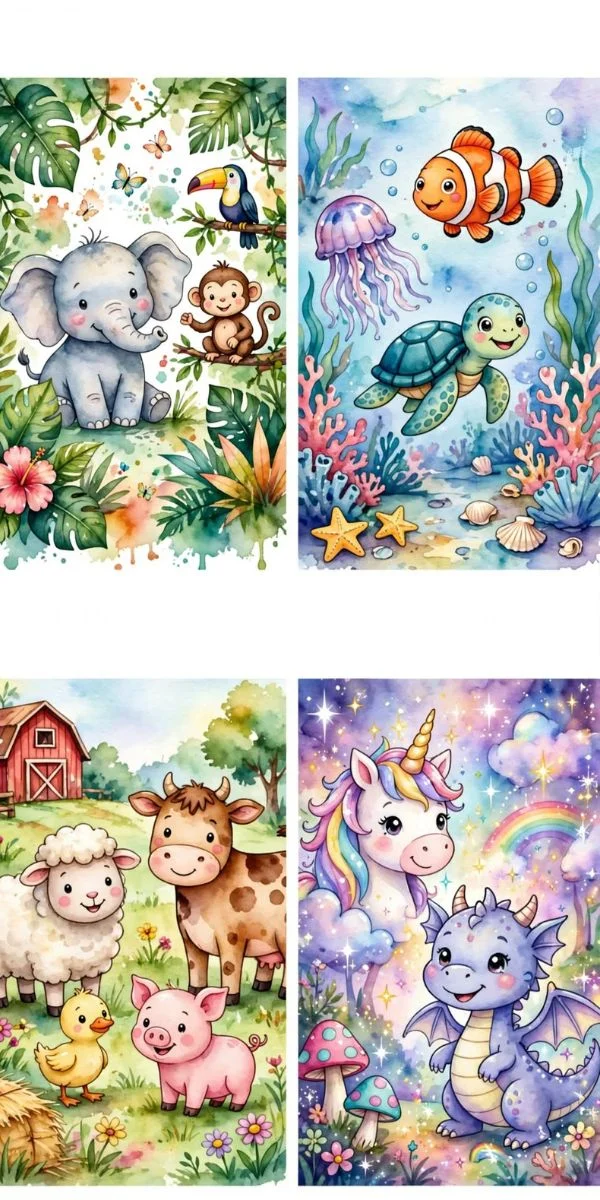
Let children create an underwater world filled with fish, seaweed, bubbles, shells, and coral. Blue and turquoise paints can form the background, while brighter colors can be used for the sea creatures.
Kids can experiment with different brush sizes to make tiny fish and large sea animals.
They can also use fingerprints or cotton swabs to create bubbles throughout the scene.
13. Funny Monster Painting
Funny monsters are perfect for children who enjoy imaginative art. Give them different colors and ask them to invent a creature with unusual eyes, mouths, ears, arms, or feet.
There are no rules about what a monster should look like. Children can make one-eyed monsters, multi-colored creatures, or friendly imaginary animals.
This type of open-ended painting encourages creativity rather than focusing on making a picture look realistic.
14. Ladybug Painting
Ladybugs are simple enough for young children to paint. Start with a red oval body and add a black head, spots, legs, and antennae.
Kids can paint several ladybugs in different sizes and place them on leaves or flowers.
The project can also be used as an opportunity to discuss basic facts about insects and observe the patterns found on real ladybugs.
15. Space and Planet Painting
Create a colorful space scene using dark blue, purple, or black paper as the background. Children can paint planets, stars, moons, comets, and imaginary galaxies.
White paint can be splattered carefully with a brush to create tiny stars, but this step should be done with an adult nearby to protect the surrounding area.
Kids can invent their own planets and give them unusual colors, rings, or patterns.
Seasonal and Creative Painting Ideas:

16. Painted Pumpkin Art
Pumpkins make a fun subject for autumn painting. Kids can paint pumpkins in traditional orange or experiment with purple, blue, pink, or rainbow designs.
Add leaves and vines around the pumpkins to create a simple seasonal scene.
This project works well for fall classroom activities, Halloween crafts, or family art sessions.
17. Winter Snowflake Painting
Children can create snowflake-inspired artwork using white and light-colored paint on dark paper.
Use thin brushes, cotton swabs, or simple homemade stamps to create repeating lines and dots. Each snowflake can have its own pattern.
This activity can help children notice symmetry and repetition while producing winter-themed artwork.
18. Christmas Tree Painting
A Christmas tree can be painted using simple triangular shapes layered from large to small. Children can add colorful ornaments, stars, garlands, and presents underneath.
Fingerprints work especially well as tiny ornaments or lights.
For younger kids, the project can focus on simple shapes and colors, while older children can add detailed decorations and background scenery.
19. Paper Plate Sun Painting
Turn a paper plate into a bright sun. Paint the center yellow and add orange or yellow rays around the outside.
Children can experiment with different facial expressions by adding eyes, eyebrows, and a smiling mouth.
This is an inexpensive project that can be connected to lessons about weather, daytime, seasons, or the sky.
20. Abstract Color Mixing Painting
Give children three or more basic paint colors and let them experiment with mixing them together. They can create swirls, lines, circles, splashes, and overlapping shapes.
Ask them what happens when two colors are combined. For example, blue and yellow can create green, while red and yellow can create orange.
The focus is on exploration rather than producing a specific picture, making it suitable for a wide range of ages.
Helpful Tips for Painting With Kids
Choose Child-Friendly Supplies
Washable, non-toxic paints are generally convenient for children’s craft activities. Use age-appropriate materials and follow the safety instructions provided by the manufacturer.
Protect tables and floors with newspaper, a reusable mat, or scrap paper before starting.
Let Children Experiment
Not every children’s painting needs to look perfect. Allowing kids to choose colors and techniques gives them an opportunity to make independent creative decisions.
Instead of correcting every unusual color choice, ask questions such as, “What are you creating?” or “What happens if you mix these colors?”
Keep Projects Age Appropriate
Younger children often enjoy simple techniques such as finger painting, sponge stamping, and large brush strokes. Older kids may enjoy landscapes, animals, detailed patterns, and color blending.
Adjust the size of the paper and complexity of the design according to the child’s age and experience.
Fun Facts About Painting for Kids
Painting is more than just a craft activity. It can combine creativity, sensory exploration, color recognition, hand-eye coordination, and decision-making.
Children can learn that mixing certain colors creates new colors. They can also discover that changing brush pressure, paint thickness, and tools can create different textures.
Using leaves, sponges, cotton swabs, bubble wrap, and fingers demonstrates that art does not always require traditional brushes.
Open-ended painting is particularly useful for encouraging imagination because there may be many possible outcomes rather than one correct answer.
Frequently Asked Questions
What are easy painting ideas for kids?
Some easy options include finger painting, sponge flowers, cotton swab dot painting, shape painting, rainbow art, and hanrint trees. These activities require simple materials and can be adjusted for different ages.
What paint is best for kids?
Washable, non-toxic children’s paint is a practical choice for many home and classroom activities. Always check the product label and choose materials appropriate for the child’s age.
What can kids paint besides paper?
Kids can paint suitable rocks, paper plates, cardboard, leaves, canvas boards, and other craft surfaces. Make sure the surface is clean and appropriate for the paint being used.
How can I make painting more fun for children?
Introduce unusual painting tools such as sponges, cotton swabs, leaves, bubble wrap, or fingerprints. You can also choose themes such as animals, outer space, seasons, or imaginary creatures.
What are good painting ideas for preschoolers?
Finger painting, sponge stamping, hanrint art, simple shape painting, dot painting, and large rainbow paintings are good starting points for preschool-age children.
Can painting help children learn colors?
Yes. Painting gives children opportunities to identify colors, compare shades, experiment with combinations, and observe what happens when different colors are mixed.
How do I keep painting activities less messy?
Cover the work surface, use washable paints, provide aprons or old clothing, keep water and paper towels nearby, and limit the amount of paint placed on the palette at one time.
What painting ideas are good for a classroom?
Group projects such as rainbow murals, seasonal trees, underwater scenes, hanrint artwork, shape paintings, and collaborative gardens can work well because multiple children can contribute to one larger artwork.
Final Thoughts
These 20 painting ideas for kids offer plenty of ways to make creative time more exciting without requiring complicated supplies. From colorful finger paintings and nature prints to animal artwork and seasonal scenes, children can explore different techniques while developing their own artistic style.
The most important part is to give kids room to experiment. A painting does not have to be perfect to be meaningful. Sometimes the most interesting artwork comes from unexpected colors, unusual shapes, and completely original ideas.