20 Art Ideas For Preschoolers | Fun & Creative Activities
Preschool art does not need to be complicated to be meaningful. Simple materials such as paper, crayons, washable paint, cotton balls, leaves, cardboard, and playdough can give young children opportunities to experiment with color, texture, shapes, patterns, and movement.
These art ideas for preschoolers are designed to be easy enough for little hands while leaving plenty of room for personal creativity. Instead of expecting every child to create the same finished picture, focus on the process, choices, and skills they practice along the way.
Rainbow Sponge Painting:
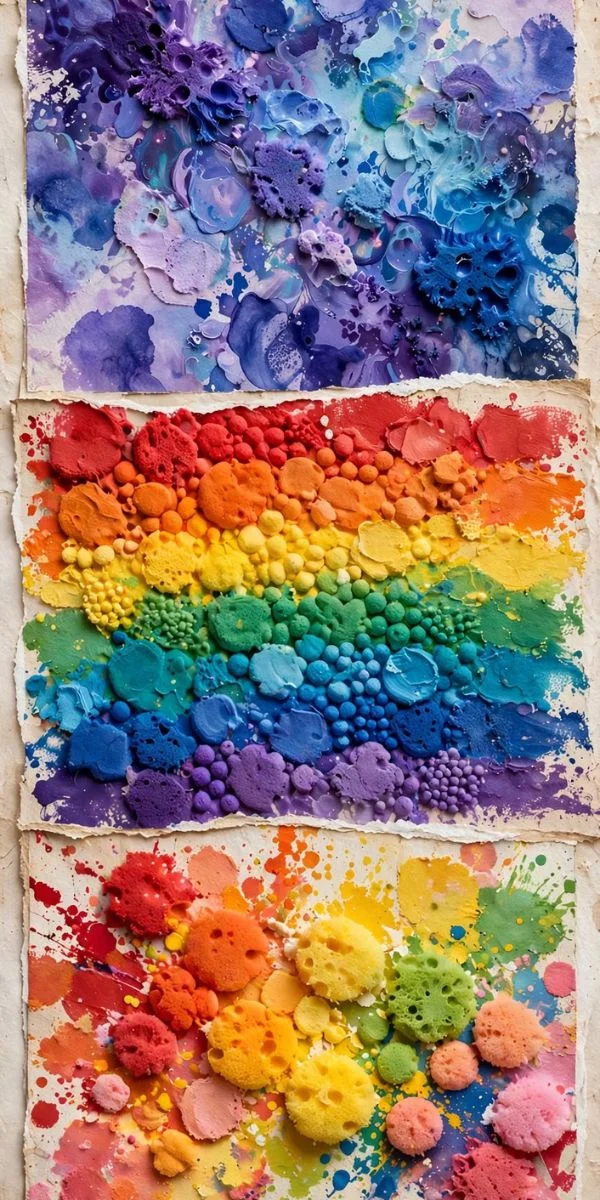
Cut a clean kitchen sponge into small pieces and place several washable paint colors in shallow containers. Children can dip the sponge into the paint and press it onto paper to create colorful blocks and patterns.
What Children Practice
Sponge painting encourages hand control and helps preschoolers notice how colors appear when placed next to one another. The repeated pressing motion can also introduce simple patterns such as red-blue-red-blue.
Paper Plate Sun
Turn an ordinary paper plate into a bright sun. Children can paint the center yellow or orange and attach strips of paper around the edge as rays.
Add a Personal Touch
Let children draw a face in the center or decorate the rays with different colors. Some children may prefer a smiling sun, while others may create a completely abstract design.
This activity is also useful for talking about circles, lines, warm colors, and the appearance of sunlight.
Bubble Wrap Printing:
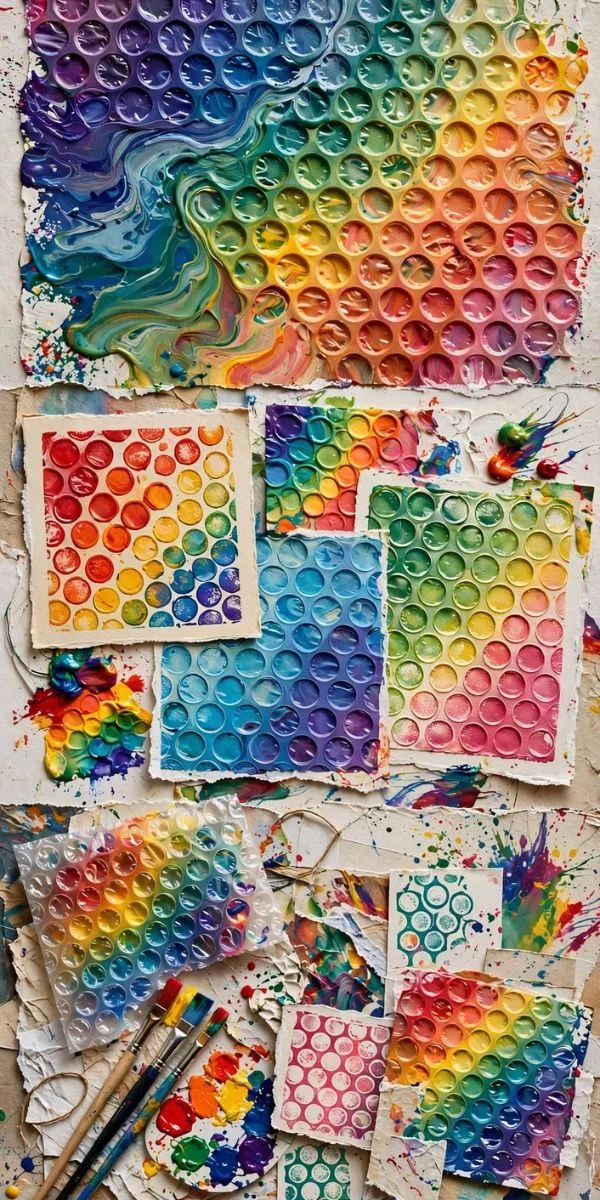
Bubble wrap creates an interesting textured surface that preschoolers can use for printing. Paint can be brushed lightly over the bubble side before children press it onto paper.
Why It Is Interesting
The repeated circles create a natural pattern without requiring children to draw individual shapes. This makes it a fun way to introduce texture and printing while keeping the activity simple.
Use washable, non-toxic paint and supervise children so bubble wrap is used only as an art material.
Nature Collage:
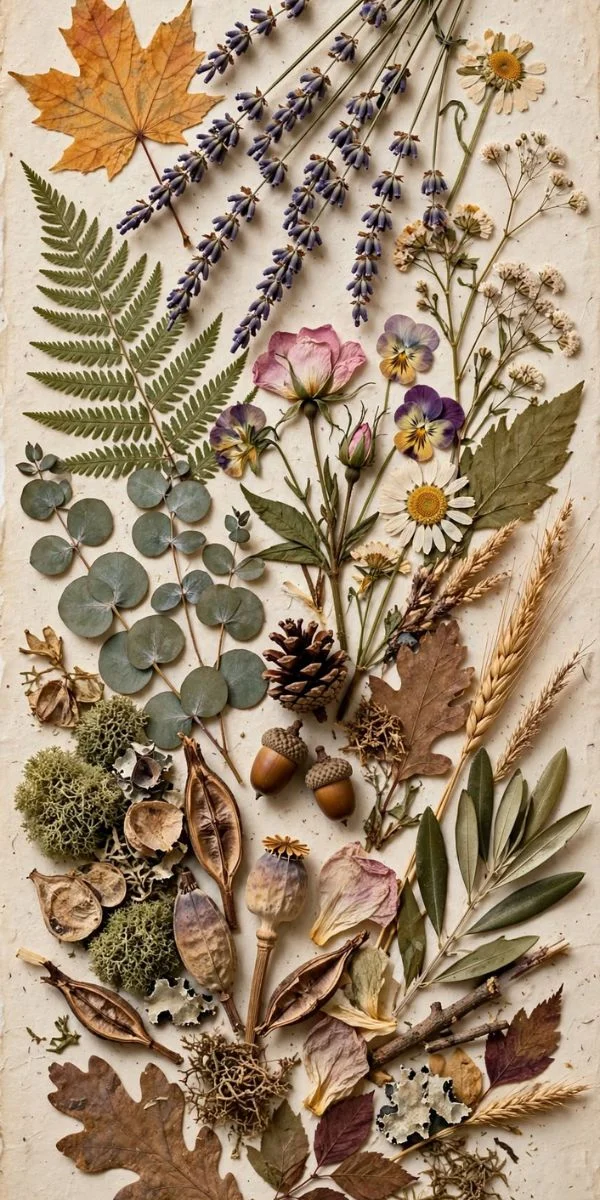
Take children outside to collect safe natural materials such as fallen leaves, small twigs, grass, and petals. Arrange the materials on paper to create a collage.
Encourage Observation
Before gluing anything down, ask children to compare the materials. Which leaf is bigger? Which one feels rough? Which one has a different shape?
Nature collage combines art with observation and gives children an opportunity to notice differences in size, color, texture, and form.
Fork-Painted Flowers:
A plastic fork can become a simple painting tool. Dip the back of the fork into washable paint and press it onto paper to create flower-like shapes.
Build the Picture
Children can add stems with crayons or paint and create a garden filled with different colors. There is no need for every flower to look identical.
The activity demonstrates that everyday objects can create unexpected shapes and patterns.
Cotton Ball Cloud Art:

Give children blue paper and cotton balls to create a sky scene. They can glue cotton balls onto the paper as clouds and add a sun, birds, rain, or a rainbow.
Extend the Idea
Ask children what their sky looks like today or what kind of weather they would like to draw. This turns a simple craft into an opportunity for observation and storytelling.
Read next: 20 Art Ideas Crafts
Fingerprint Garden
Fingerprint painting is a classic preschool activity because children can use their fingertips to create small flowers, leaves, insects, or berries.
Simple Materials
Use paper, washable paint, and crayons or markers. Children can draw stems first and then add fingerprints as flowers.
Fingerprint art also creates an easy way to discuss repeated marks and how one small shape can become part of a larger picture.
Color Mixing with Ice Paint
Freeze small amounts of washable, child-safe paint diluted with water in an ice tray. Place craft sticks in the cubes before freezing if desired.
Children can move the colorful ice across paper and watch the colors change as the cubes melt.
What Makes It Different
This activity combines art with a simple observation of temperature and melting. Children can see that frozen paint gradually becomes liquid as it warms.
Use this activity outdoors or on a washable surface to make cleanup easier.
Torn Paper Rainbow
Instead of cutting paper, let children tear colored paper into small pieces and arrange them into a rainbow.
Why Tearing Is Useful
Tearing paper requires children to use their fingers and coordinate both hands. The pieces do not have to be identical, which makes the finished artwork naturally varied.
Add clouds made from white paper or cotton balls for another layer of texture.
Potato Shape Printing
Cut a potato in half and use a simple shape such as a circle, triangle, or heart for printing. An adult should handle the cutting.
Children can dip the potato into washable paint and press it onto paper to create repeated shapes.
Create a Pattern
Try alternating two colors or shapes. Preschoolers can make rows, borders, flowers, or completely random designs.
This activity introduces repetition and pattern recognition without requiring precise drawing skills.
Paper Bag Puppets
A plain paper bag can become a character with paper eyes, yarn hair, ears, clothing, and drawn features.
Turn Art Into Play
Once the puppet is finished, encourage children to invent a short story. The art activity then becomes pretend play, giving children another way to use their creative ideas.
Avoid small detachable pieces around children who still put objects in their mouths.
Q-Tip Dot Painting
Cotton swabs can be used to make small dots of washable paint. Children can fill an outline, create flowers, decorate an animal, or make an abstract pattern.
Make It Open-Ended
Instead of providing a completed picture to copy, give children a blank sheet and several paint colors. They can decide what their dots become.
Dot painting can help preschoolers practice controlled, repeated movements.
Coffee Filter Butterfly
Color a coffee filter with washable markers, lightly spray it with water, and watch the colors spread. Once dry, gather the center and attach a pipe cleaner or paper strip to create a butterfly shape.
Talk About Color
Ask children what happens when two colors meet. Some colors may blend while others remain more distinct.
An adult should manage the water spray and any small materials used for finishing the butterfly.
Cardboard Tube Stamping
Save cardboard tubes from paper towels or toilet paper. Pressing or gently reshaping the tube can create different stamping shapes.
Try Several Designs
A circular tube produces rings, while a flattened tube can make an oval-like shape. Pinching one side can create a simple petal form.
This is an inexpensive way to demonstrate that art tools do not always need to be purchased.
Handprint Tree
Paint a child’s palm and fingers with washable paint and press the hand onto paper to create a tree shape. Once dry, children can add leaves, fruit, flowers, or animals.
Make Each Tree Unique
One child might create an autumn tree with orange and red leaves, while another might make a spring tree covered with flowers.
Handprint art can also become a seasonal keepsake when dated and saved.
Yarn Painting
Place short pieces of yarn into washable paint, leaving one end clean for easier handling. Children can drag or press the painted yarn across paper to create lines and curves.
Explore Movement
Try straight lines, loops, spirals, and zigzags. Children can compare the marks created by moving the yarn quickly or slowly.
This activity is especially useful for exploring how movement affects the appearance of a mark.
Shape Monster Collage
Cut large circles, squares, triangles, and rectangles from colored paper. Children can combine them to create silly monsters.
Let Children Design Freely
A monster might have three eyes, long triangle teeth, square feet, or mismatched ears. There is no correct design.
The activity reinforces shape recognition while encouraging imagination and decision-making.
Leaf Rubbing Art
Place a dry leaf underneath a sheet of paper. Children can gently rub the side of a crayon across the paper to reveal the leaf’s shape and veins.
Explore Different Leaves
Use leaves with different sizes and textures. Compare the results and arrange several rubbings into a larger picture.
Leaf rubbing is a simple way for children to observe natural patterns that are normally easy to overlook.
Sponge-Printed Clouds and Rain
Use a sponge to dab white paint onto blue paper to create clouds. Once the clouds dry, children can add raindrops using crayons, markers, or a thin paintbrush.
Add a Weather Story
Children can draw umbrellas, puddles, boots, flowers, or animals enjoying the rain. This gives the artwork a narrative rather than making it only a decorative craft.
Recycled Box Robot
Small clean cardboard boxes can be transformed into robots using paper, cardboard shapes, washable markers, and glue.
Encourage Creative Construction
Children can decide where the robot’s eyes, buttons, arms, and antennae should go. Different box sizes can be combined to create unusual robot bodies.
This type of project introduces basic construction and spatial thinking while keeping the artistic result completely open-ended.
Why Art Matters for Preschoolers
Art activities give preschoolers opportunities to make choices, experiment, and communicate ideas without relying entirely on spoken language. Drawing, painting, tearing, stamping, gluing, and manipulating materials can also provide practice with different hand movements.
The most valuable part of preschool art is often the process rather than the finished product. A child who experiments with five colors, changes a design several times, or creates something unexpected is still developing important creative and problem-solving skills.
Tips for Better Preschool Art Activities
Keep materials age-appropriate and choose washable, non-toxic art supplies whenever possible. Cover the work surface before painting and keep water nearby for easy cleanup.
Give children enough freedom to make their own choices. If an activity is supposed to be a flower, for example, there is no need for every flower to look the same.
It is also helpful to talk with children while they work. Instead of asking only, “What is that?” try questions such as, “What happens if you mix these colors?” or “How did you make that pattern?”
Safety and Supervision
Preschoolers should be supervised during art activities, especially when scissors, glue, water, food-shaped materials, or small objects are involved. Adults should handle sharp cutting tools and check craft materials for age suitability.
Avoid very small loose pieces when working with children who may still put objects into their mouths.
FAQs About Art Ideas for Preschoolers
What are easy art ideas for preschoolers?
Easy options include sponge painting, fingerprint flowers, torn-paper collages, leaf rubbing, paper plate suns, cotton-ball clouds, and shape monsters. These activities require relatively simple materials and allow children to create without needing advanced drawing skills.
What art supplies should preschoolers use?
Useful supplies include washable crayons, washable markers, non-toxic washable paint, construction paper, paper plates, cotton balls, cardboard, child-safe glue, sponges, and natural materials such as fallen leaves.
How long should a preschool art activity last?
The ideal length depends on the child and the activity. Some simple projects may take 10 to 15 minutes, while larger collage or construction activities can hold attention longer.
Should preschoolers copy an example?
Examples can be helpful, but children should have opportunities to make their own choices. Open-ended art allows children to experiment with colors, shapes, materials, and ideas rather than focusing only on reproducing an adult’s finished example.
How can I make preschool art less messy?
Cover the table with washable material, use washable supplies, provide small amounts of paint, and keep wipes or water nearby. Outdoor painting can also make cleanup easier.
What is the best art activity for a preschool classroom?
There is no single best activity for every classroom. Group-friendly choices include sponge printing, nature collages, large paper murals, shape collages, and fingerprint painting because several children can work with the same basic materials while creating different results.
How can I encourage creativity without taking over?
Offer materials and ask questions, but allow the child to make the artistic decisions. Comments such as “I see you used lots of circles” or “Tell me about your picture” encourage children to explain their ideas without changing their artwork for them.