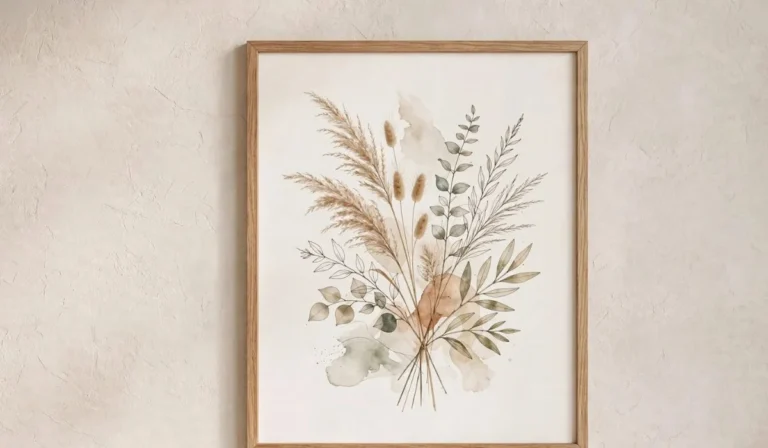
25 Art Ideas Creative | Inspiring Art Projects & DIY Ideas
Creative art does not have to begin with expensive supplies or advanced techniques. Paper, paint, cardboard, fabric, natural materials, recycled objects, and everyday household items can become the starting point for original artwork.
These creative art ideas explore different approaches, including painting, collage, mixed media, abstract designs, nature art, recycled projects, and three-dimensional creations. The goal is not to make every project look perfect but to experiment with materials, colors, textures, shapes, and personal ideas.
Painting and Color Experiments:

Painting is one of the easiest ways to explore creativity because the same colors and tools can produce completely different results depending on how they are used.
1. Sunset Gradient Painting
Create a sunset by blending several colors horizontally across paper or canvas. Start with lighter shades near the horizon and gradually introduce deeper colors toward the top.
Add simple silhouettes of trees, mountains, buildings, or birds once the background is dry.
Fact: A gradient is a gradual transition from one color or tone to another, making it useful for creating the appearance of changing light.
2. Abstract Color Blocks
Divide a canvas or heavy sheet of paper into irregular sections and fill each area with a different color.
Try combining large blocks with tiny shapes, curved edges, or overlapping sections instead of following a traditional picture.
3. Drip Painting
Place paper or canvas on a protected surface and allow diluted paint to travel downward from different starting points.
Change the amount of paint and the angle of the surface to create different trails.
The resulting artwork can remain completely abstract, or additional marks can be added after the drips dry.
4. Bubble Painting
Mix washable paint with a small amount of water and create colored bubbles using an appropriate bubble solution. Press paper gently over the bubbles to capture their circular patterns.
Use several colors and layer the prints after each section dries.
5. Shadow Painting
Place an object where its shadow falls across a sheet of paper. Trace the shadow outline and then transform it into an illustration.
A plant shadow can become a forest, while a toy’s shadow could become a fantasy character or imaginary creature.
Read Next: 30 Easy Art And Craft Ideas For Preschoolers
Drawing and Mark-Making Ideas:

Drawing can become much more experimental when the goal is to explore marks rather than produce a realistic image.
6. Continuous Line Drawing
Draw an object without lifting the pencil or pen from the paper.
Try faces, plants, shoes, household objects, or animals. The resulting lines may look unusual, which is part of the creative challenge.
7. Pattern-Filled Animals
Draw a simple animal silhouette and fill the inside with different patterns.
Use dots, waves, stripes, spirals, geometric shapes, and tiny repeated symbols.
8. Blind Contour Drawing
Look at an object rather than at the paper while slowly drawing its outline.
The finished drawing may contain unexpected proportions and shapes, making this an entertaining exercise for letting go of perfection.
9. Doodle Garden
Fill a page with imaginary flowers, leaves, vines, insects, mushrooms, and decorative shapes.
Allow different patterns to overlap and connect so the entire page becomes one large illustrated garden.
Fact: Doodling can involve repeated simple marks and shapes, making it accessible even when someone does not consider themselves skilled at drawing.
Collage and Mixed-Media Art:

Collage allows several materials to exist in one artwork. Combining surfaces and textures can make even simple compositions visually complex.
10. Color-Themed Collage
Choose one main color and collect paper, magazine pieces, packaging, fabric, and other safe materials in different shades of that color.
Arrange the pieces from light to dark or mix them into an abstract composition.
11. Texture Landscape
Create a landscape using materials with different surfaces.
Fabric can become clouds, rough cardboard can represent mountains, yarn can become grass, and smooth paper can represent water.
12. Painted Paper Collage
Instead of using commercially patterned paper, paint your own sheets first.
Create dots, brush strokes, lines, splatters, and blocks of color. Once dry, tear or cut the sheets into shapes and build a collage.
13. Typography Collage
Collect individual letters and words from magazines, newspapers, packaging, or printed materials.
Arrange them into a quote, name, unusual sentence, or abstract composition.
Use different sizes and fonts to create visual contrast.
Nature-Inspired Creative Art:
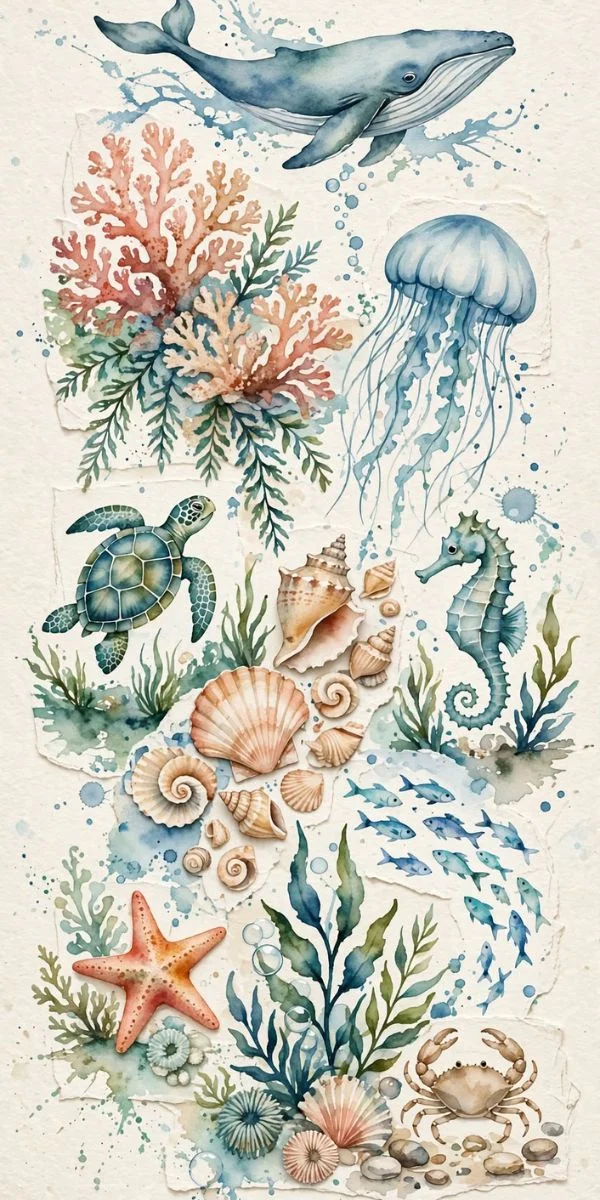
Nature provides irregular shapes, organic textures, and changing colors that can be incorporated into artwork.
14. Leaf Creature Art
Use leaves as the bodies or wings of imaginary creatures.
Add drawn eyes, legs, antennae, tails, and backgrounds around the leaves to transform their natural shapes into characters.
Make sure collected leaves are clean, dry, and safe to handle.
15. Botanical Watercolor Study
Choose a leaf, flower, or simple plant and paint it using watercolor.
Instead of trying to create a photorealistic copy, focus on observing its outline, color variations, veins, and shadows.
16. Nature Mandala
Arrange leaves, petals, small stones, twigs, or other safe natural objects into a circular design.
Begin with a center and repeat shapes or colors outward.
Take a photograph when finished if you do not want to permanently attach the natural materials.
17. Bark Texture Rubbing
Place thin paper over a suitable textured tree surface and gently rub the side of a crayon across the paper.
The texture can create an interesting background for a nature-themed drawing.
Only use loose or accessible surfaces and avoid damaging living trees.
Recycled and Upcycled Art:

Recycled art encourages creative thinking by changing the original purpose of an object.
18. Cardboard City
Collect clean cardboard boxes and tubes to build a miniature city.
Add windows, doors, roads, signs, bridges, parks, and imaginative buildings using paper and markers.
19. Magazine Mosaic
Tear magazine pages into small pieces and arrange them into a larger image.
Instead of using traditional mosaic tiles, use color and image fragments to create flowers, faces, landscapes, or abstract designs.
20. Cardboard Relief Artwork
Cut pieces of cardboard into different shapes and layer them onto a sturdy backing.
Paint the entire arrangement in one color or use several colors to emphasize the raised sections.
Fact: Relief art is artwork in which elements project from a supporting surface rather than existing entirely flat.
Fiber and Texture Art:

Soft materials such as yarn, thread, and fabric can create artwork with physical texture rather than relying only on painted surfaces.
21. Yarn Rainbow Art
Arrange colorful yarn into curved rainbow shapes and attach the strands to cardstock.
Add cotton or fabric clouds at each end and experiment with different yarn thicknesses.
22. Fabric Flower Artwork
Cut fabric scraps into petals and leaves and arrange them into flowers.
Layer smaller pieces over larger ones to create dimensional petals. Fabric patterns can add extra visual interest without additional painting.
23. Thread Line Art
Place colorful threads across paper to form abstract lines, letters, flowers, or geometric shapes.
Secure the thread carefully with glue and allow each section to dry before adding more layers.
Three-Dimensional and Experimental Art
Three-dimensional projects change the relationship between artwork and the space around it.
24. Paper Sculpture
Fold, roll, twist, and layer paper to create a freestanding sculpture.
Try abstract towers, flowers, spirals, animals, or architectural shapes. Different paper weights will produce different levels of stiffness and flexibility.
25. Salt Texture Painting
Paint a design with watercolor or diluted paint and sprinkle salt over selected wet areas.
As the paint dries, the salt can create a textured effect by interacting with the wet pigment.
Brush away the dried salt carefully afterward.
How to Make Creative Art More Original
The easiest way to make an art project feel personal is to change one major element. Instead of copying the same color palette, pattern, material, or composition, introduce something unexpected.
Mix Techniques
Combine drawing with painting, collage with watercolor, or natural materials with markers.
Mixed-media projects are particularly useful when you want artwork with multiple layers and textures.
Change the Scale
Make a familiar subject unusually large or extremely small.
A giant flower, oversized eye, tiny city, or miniature landscape can immediately give a familiar idea a different visual character.
Use an Unusual Color Palette
A tree does not always have to be green, and a sunset does not have to contain traditional orange and yellow.
Try monochromatic blue artwork, pastel landscapes, neon patterns, or black-and-white compositions.
Choosing Materials for Creative Art
The best supplies depend on the technique. Watercolor works well for translucent layers, while acrylic or craft paint can provide stronger opaque coverage on suitable surfaces.
Paper should be chosen according to the medium. Heavier paper is generally more suitable for wet techniques because lightweight paper can buckle when it becomes saturated.
Build a Simple Art Supply Collection
A useful starter collection can include:
- Sketch paper and cardstock
- Colored paper
- Watercolor or washable paint
- Brushes and sponges
- Crayons and markers
- Scissors and glue
- Yarn and fabric scraps
- Cardboard
- Recycled magazines
- Natural materials
- Pencils and erasers
You do not need every material at once. A small selection can support many different creative approaches.
Ways to Display Finished Artwork
Creative projects can become part of a room rather than staying hidden in a drawer.
Create an Art Wall
Arrange several small pieces together instead of displaying only one large artwork. Mixing abstract pieces, drawings, collages, and textured projects can create a personal gallery.
Make a Rotating Display
Change displayed artwork regularly. This keeps the space visually interesting and gives newer projects a place without permanently removing older favorites.
FAQs About Creative Art Ideas
What are some easy creative art ideas?
Simple options include continuous-line drawings, abstract color blocks, leaf creatures, magazine collages, sponge painting, yarn art, and paper sculptures. Most can be adapted to different skill levels.
How can I become more creative with art?
Experiment rather than trying to make every artwork perfect. Change the materials, colors, scale, composition, or technique and see what happens.
What is mixed-media art?
Mixed-media art combines two or more artistic materials or techniques in one artwork. For example, a project might combine watercolor, paper collage, yarn, and marker drawing.
What recycled materials can be used for art?
Clean cardboard, paper tubes, magazines, packaging, paper bags, fabric scraps, bottle caps, and other suitable household materials can become art supplies.
What makes an art project creative?
Creative art usually allows room for choices and experimentation. The subject, colors, materials, patterns, and final appearance do not necessarily need to follow one fixed formula.
Are creative art projects suitable for beginners?
Yes. Many creative projects are particularly beginner-friendly because they focus on experimentation rather than technical perfection. Collage, abstract painting, pattern drawing, and recycled art are good starting points.
How can I make a simple painting more interesting?
Add texture, layers, patterns, unusual colors, or another medium. You can also change the composition by cropping the subject or introducing unexpected shapes.
What are good creative art projects for children?
Nature collages, sponge printing, paper sculptures, leaf creatures, simple painting experiments, and recycled cardboard projects can work well when the materials and tools are age appropriate and supervised.
How can I preserve handmade artwork?
Allow wet artwork to dry completely before storing it. Flat pieces can be protected with folders or archival-quality sleeves, while three-dimensional projects should be kept somewhere dry and protected from excessive pressure or moisture.