20 Art Ideas Crafts | Creative & Easy DIY Projects
Art and crafts give people a simple way to experiment with color, texture, shapes, patterns, and materials. From quick paper projects to recycled crafts and nature-inspired artwork, there are countless ways to turn basic supplies into something creative.
These art ideas crafts are divided into practical categories so it is easier to choose a project based on the materials, style, or amount of time available. Some are suitable for beginners, while others can be adapted into more detailed decorative projects.
Paper Art and Crafts:

Paper is one of the most versatile art materials because it can be folded, torn, rolled, layered, painted, stamped, and cut into almost any shape.
1. Layered Paper Flower Art
Create flowers by cutting several paper shapes in different sizes and layering them from largest to smallest. Add a contrasting center and arrange several flowers together on cardstock.
Use different shades of one color for a dimensional effect, or combine bright colors for a playful garden scene.
Fact: Layering flat paper shapes creates visual depth without requiring three-dimensional sculpting materials.
2. Torn Paper Landscape
Instead of using scissors, tear colored paper into irregular pieces and arrange them into mountains, trees, clouds, water, or fields.
The uneven edges give the artwork a natural appearance. Try overlapping different shades of paper to create foreground and background areas.
3. Paper Quilling Shapes
Cut narrow strips of paper and curl them around a pencil or quilling tool. The curled strips can then be shaped into flowers, leaves, hearts, spirals, and other decorative forms.
Arrange the pieces on cardstock to create a framed design or greeting card.
4. Geometric Paper Collage
Cut circles, triangles, squares, rectangles, and other shapes from colored paper. Arrange them into an abstract composition before gluing them down.
Experiment with symmetry, repetition, overlapping shapes, and negative space.
Painting and Printing Crafts:
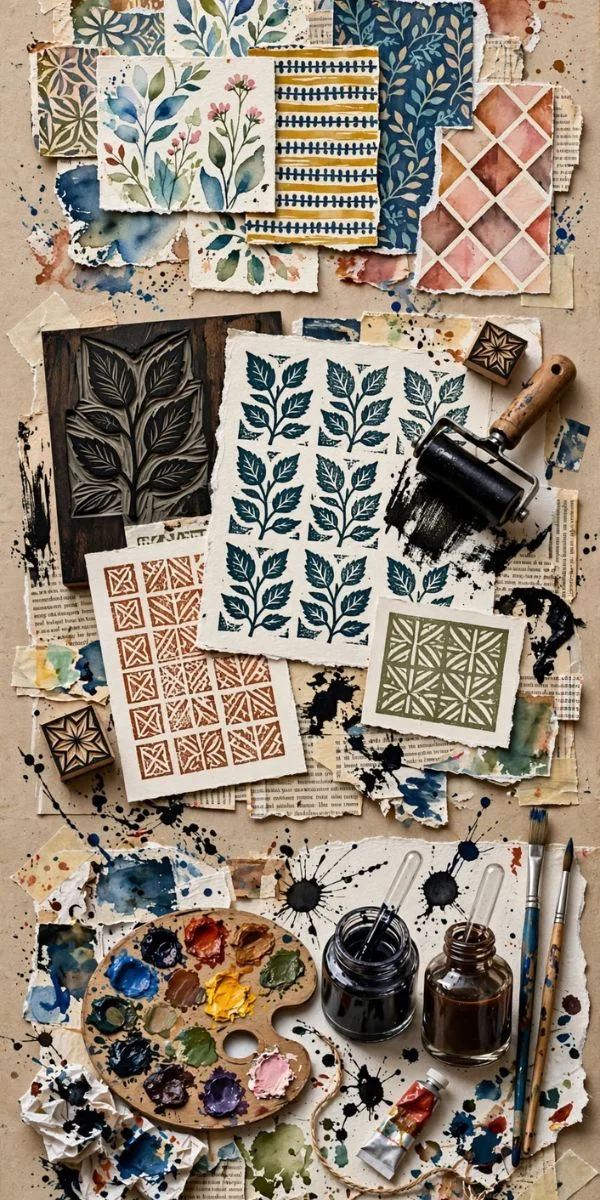
Painting does not have to involve traditional brushes. Household objects, natural materials, and simple tools can create surprising patterns.
5. Bubble Wrap Printing
Apply a thin layer of washable paint to bubble wrap and press it onto paper. The raised bubbles leave a repeated pattern of circles.
Try different paint colors and overlap several prints to create textured backgrounds for cards, posters, or wall art.
Read next: 25 Art Ideas Creative
6. Sponge Stamped Art
Cut a sponge into simple shapes or use small pieces as natural stampers. Dip them lightly into paint and press them onto paper.
Stars, hearts, flowers, leaves, and geometric shapes can become repeating patterns.
7. Leaf Printing
Collect clean fallen leaves and brush a thin layer of paint onto their surfaces. Press the painted side onto paper to transfer the shape and vein pattern.
Use several leaves to create a botanical composition or arrange prints into a wreath.
Fact: Leaf veins form branching networks that transport water and nutrients through the plant, making them naturally detailed patterns for art projects.
8. String Pull Painting
Dip a piece of string into paint, place it onto folded paper, and close the paper over the string. Pull the string outward while holding the paper in place.
When the paper is opened, the paint can form symmetrical or flowing patterns.
Recycled Art Projects:

Recycled materials can become art supplies instead of being immediately thrown away. Cardboard, paper tubes, boxes, and packaging can all provide interesting shapes.
9. Cardboard Tube Flowers
Flatten or shape cardboard tubes and use them as printing tools. Dip the edge into paint and press it onto paper to make petals.
Combine several printed petals around a painted center to create colorful flowers.
10. Recycled Box Sculpture
Use clean cardboard boxes, paper tubes, cartons, and other safe packaging to construct a sculpture.
The pieces can become houses, robots, animals, buildings, vehicles, or completely abstract forms.
11. Bottle Cap Pattern Art
Clean plastic bottle caps can be used as circular stamping tools. Dip the rim into paint and create circles in rows, spirals, flowers, or geometric patterns.
Use different cap sizes to introduce variation into the design.
12. Magazine Collage
Cut pictures, colors, letters, and interesting textures from old magazines and arrange them into a collage.
A theme can make the project more focused. Try travel, nature, fashion, food, colors, or an entirely abstract arrangement.
Nature-Inspired Art and Crafts:
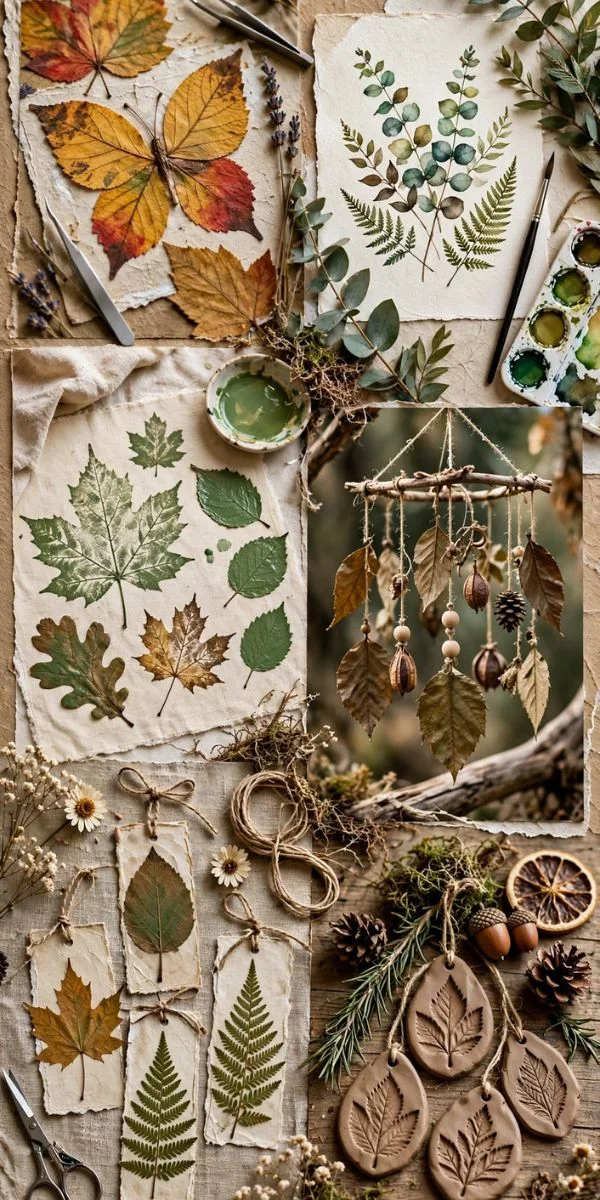
Natural materials bring irregular colors and textures into artwork. Always choose safe, clean materials and avoid collecting unknown plants or materials that may cause irritation.
13. Nature Mandala
Arrange fallen leaves, petals, small twigs, stones, and other safe natural materials into a circular pattern.
Begin with a small central shape and build outward using repeated colors or forms.
The materials can be photographed once finished rather than permanently glued together.
14. Twig Painting
Collect clean, dry twigs and paint simple patterns along them. Dots, stripes, spirals, and geometric designs work particularly well.
Display several decorated twigs together in a jar or use them as part of a larger nature-themed arrangement.
15. Stone Painting
Smooth, clean stones can become ladybugs, fruits, flowers, characters, or colorful abstract designs.
Wash and completely dry the stones before painting. Acrylic paint can work well on suitable surfaces, while an adult can add an appropriate protective finish when necessary.
Fabric, Yarn, and Fiber Crafts:

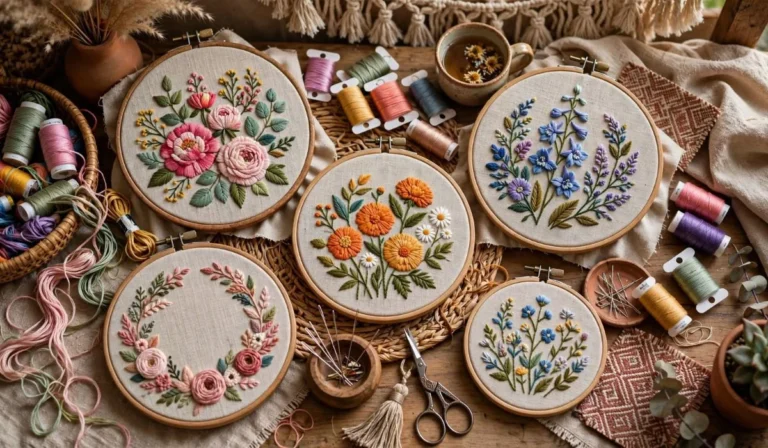
Yarn, fabric scraps, and thread introduce soft textures and flexible lines that are different from traditional paper-based artwork.
16. Yarn Wrapped Art
Draw a simple shape on sturdy cardboard and cut it out. Wrap colorful yarn around the shape repeatedly until the surface is covered.
Try hearts, stars, letters, circles, or simple animals.
17. Fabric Scrap Collage
Arrange small pieces of fabric on cardstock or canvas to create flowers, houses, landscapes, or abstract compositions.
Mixing smooth, woven, patterned, and textured fabrics makes the artwork more visually interesting.
18. Simple Yarn Painting
Dip pieces of yarn into washable paint and drag them across paper to create flowing lines.
Try curves, loops, zigzags, and overlapping strokes. Multiple colors can be layered to create an energetic abstract artwork.
Decorative and Giftable Crafts:

Some art projects can become useful decorations or handmade gifts rather than remaining as standalone artwork.
19. Handmade Greeting Cards
Fold cardstock into a card and decorate it with painted patterns, paper shapes, stamps, pressed leaves, or simple drawings.
Personalize the front for birthdays, holidays, thank-you messages, or special occasions.
20. Painted Flower Pot
Decorate a clean terracotta or suitable craft pot with painted dots, stripes, flowers, faces, or geometric designs.
Once the artwork has fully dried, the pot can be used for a small plant or as a decorative container.
Fact: Terracotta is a porous fired clay material, so it can absorb and release moisture. When using a painted pot for a real plant, choose paints and finishes appropriate for the intended use.
How to Choose the Right Art and Craft Project
The best project depends on the available materials, time, skill level, and desired result. A quick stamping project may work better for a short activity, while collage or sculpture can provide a longer creative session.
For Quick Projects
Choose sponge printing, bubble wrap printing, leaf printing, bottle-cap patterns, or handmade cards. These projects can produce visible results without requiring complicated preparation.
For Detailed Artwork
Paper quilling, geometric collages, nature mandalas, and fabric collages allow more time for arranging individual elements.
For Eco-Friendly Crafting
Recycled boxes, cardboard tubes, magazine pages, fabric scraps, and natural materials can reduce the need for buying new craft supplies.
Simple Ways to Make Art Projects More Creative
Do not feel limited to the original purpose of a material. A cardboard tube can become a stamp, yarn can become a painting tool, and a magazine page can become part of an abstract collage.
Experiment With Patterns
Repeating the same shape or mark can create rhythm. Try alternating colors, changing the size of shapes, or arranging elements in rows, circles, or spirals.
Combine Different Materials
Mixed-media art becomes more interesting when materials are layered. Combine paint with paper, yarn with cardboard, or leaves with stamped patterns.
Change the Color Scheme
A single project can look completely different depending on its palette. Try warm colors, cool colors, monochromatic shades, complementary colors, or rainbow combinations.
Useful Materials to Keep in an Art Box
A basic craft collection does not need to be expensive. Colored paper, cardstock, washable paint, brushes, crayons, markers, glue, scissors, yarn, cardboard, sponges, and recycled packaging can support many different projects.
Natural materials such as leaves, twigs, and smooth stones can add variety when they are clean and safe to use.
Basic Safety Tips
Choose materials appropriate for the intended age group and supervise children when scissors, small objects, paints, or adhesives are involved.
Keep art supplies away from food preparation areas, and wash hands after using craft materials. For children’s projects, choose products labeled as non-toxic and age appropriate.
FAQs About Art Ideas and Crafts
What are some easy art ideas crafts for beginners?
Paper collages, sponge printing, leaf printing, bubble wrap art, painted stones, and handmade cards are beginner-friendly options. They do not require advanced artistic skills and can be adapted to different ages.
What materials are best for simple art crafts?
Paper, cardstock, washable paint, crayons, markers, glue, cardboard, yarn, fabric scraps, sponges, and recycled packaging are useful basics. Many projects can be created without purchasing specialized equipment.
How can I make crafts more environmentally friendly?
Use recycled cardboard, old magazines, packaging, fabric scraps, and natural materials whenever appropriate. Reusing existing materials can reduce the amount of new craft supplies needed.
What is the difference between art and crafts?
Art often focuses on creative expression, while crafts commonly involve making a functional or decorative object using particular techniques. However, the two overlap considerably, and one project can be both artistic and practical.
Can these art ideas be used for children?
Many of these projects can be adapted for children, but materials and tools should be selected according to age. Adults should supervise activities involving scissors, small pieces, adhesives, or materials that are not intended to be handled by young children.
How can I make a simple art project look more detailed?
Layer materials, introduce repeated patterns, vary shapes and sizes, and experiment with contrasting colors. Adding texture through yarn, fabric, leaves, or stamping can also make a simple design appear more complex.
What are good art crafts to make as gifts?
Handmade greeting cards, painted pots, fabric collages, decorated stones, paper flowers, and personalized mixed-media artwork can all make thoughtful handmade gifts.
How do I encourage creativity during crafts?
Give a general idea rather than requiring an exact finished result. Allow experimentation with colors, shapes, materials, and composition so each finished project can develop its own style.