20 Painting Inspiration For Kids | Fun & Creative Ideas
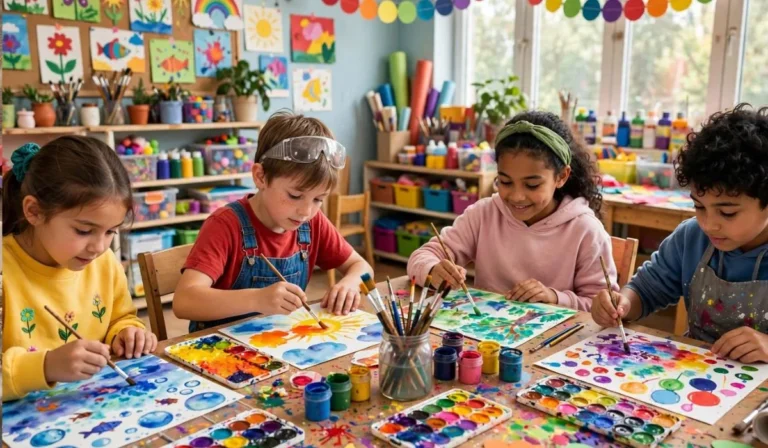
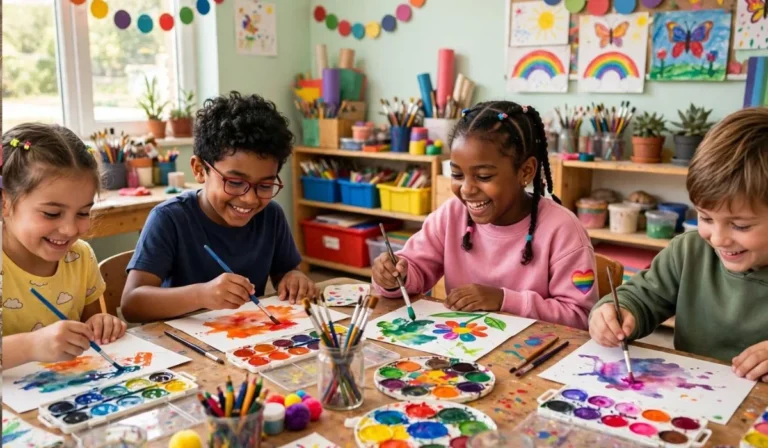
Painting gives children a simple way to explore color, texture, shapes, imagination, and visual storytelling. Painting inspiration for kids does not have to involve complicated techniques or expensive supplies. Everyday materials such as sponges, cotton swabs, leaves, cardboard, and recycled objects can become creative painting tools.
The following ideas are divided into four categories, ranging from easy process art to nature, imaginative scenes, and playful experimental projects. Each activity can be adjusted for different ages and skill levels.
Easy Painting Inspiration for Kids
1. Rainbow Hanrint Art
Turn colorful hanrints into a cheerful rainbow-inspired artwork. This activity is particularly suitable for young children because it focuses on making broad, colorful prints rather than precise drawings.
Activity Details
Paint each finger or section of the hand in different colors and press it gently onto paper. Arrange several hanrints in an arc or use them to create flowers, butterflies, or other colorful shapes. Washable paint makes cleanup easier.
2. Sponge Garden Painting
Children can create an entire garden using sponges instead of traditional brushes.
Activity Details
Use a small sponge to stamp green grass, flower petals, bushes, and leaves. Different sponge shapes can create different textures. Add thin stems and small details with a brush once the stamped areas have dried.
3. Cotton Ball Cloud Painting
Cotton balls create soft, fluffy textures that work especially well for sky-themed artwork.
Activity Details
Let children dip cotton balls lightly into white and pale-blue paint and stamp them onto blue paper. They can add a sun, rainbow, birds, mountains, or houses underneath the clouds.
4. Dot Flower Painting
Create a colorful flower garden entirely from painted dots.
Activity Details
Use cotton swabs or the rounded end of a suitable brush to make dots for petals. Combine several dots around a central circle, then paint simple stems and leaves underneath. Children can experiment with different flower colors and sizes.
5. Color Mixing Art
Turn painting into a simple exploration of what happens when colors are combined.
Activity Details
Give children primary-color paints and let them experiment with mixing small amounts. They can record the resulting colors on paper by creating circles, stripes, or abstract shapes.
Nature-Inspired Painting Ideas
6. Leaf Printing
Leaves can create natural patterns that are difficult to reproduce with a regular brush.
Activity Details
Brush a thin layer of paint over a leaf and press it onto paper. Remove the leaf carefully to reveal the print. Repeat with different leaf shapes and colors to create a forest, garden, or abstract composition.
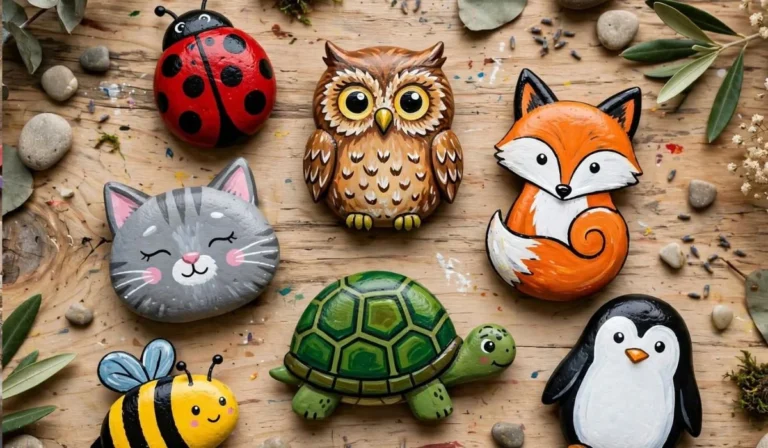
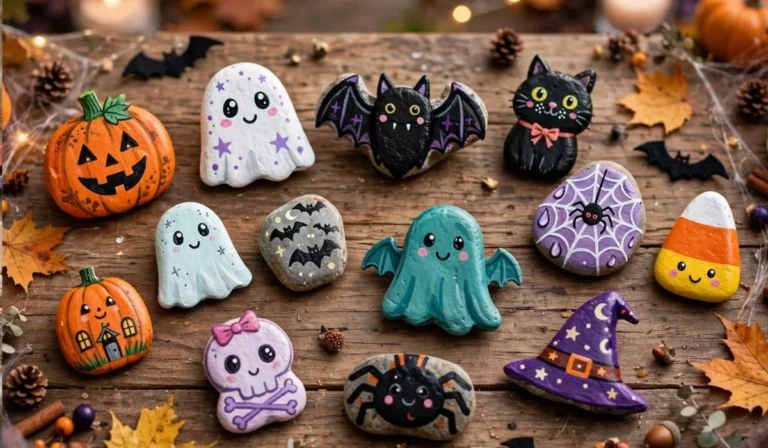
7. Painted Rock Characters
Transform smooth stones into tiny characters with expressive faces.
Activity Details
After cleaning and drying the rocks, children can paint animals, monsters, flowers, faces, or imaginary creatures. Large simple shapes are easier for beginners, while older children can add outlines and small decorative details.
8. Flower Petal Prints
Use flower petals to make unusual repeated marks on paper.
Activity Details
Dip the end of a suitable petal lightly into paint and press it onto paper. Arrange several prints together to create flowers or use individual marks to form abstract patterns.
9. Tree Through the Seasons
Create one tree and change its appearance to represent different seasons.
Activity Details
Paint a brown trunk and branches. Add pink blossoms for spring, green leaves for summer, orange and red leaves for autumn, or white snow for winter. This project can also introduce children to seasonal changes.
10. Nature Texture Collage Painting
Combine painting with natural textures.
Activity Details
Place safe, dry leaves, twigs, or other textured natural materials beside the painting area. Children can use them to stamp or drag paint across paper and then add brush-painted details around the marks.
Imaginative Painting Inspiration for Kids
11. Underwater Adventure
Invite children to imagine a colorful world beneath the ocean.
Activity Details
Paint a blue background and add fish, coral, seaweed, bubbles, shells, and other imagined creatures. Encourage unusual color combinations so children can design their own underwater world.
12. Outer Space Galaxy
A galaxy painting allows children to use dark backgrounds and bright contrasting colors.
Activity Details
Start with dark blue, purple, or black paper. Dab lighter colors with a sponge to create cloudy areas, then add stars with white paint. Children can include planets, rockets, moons, or imaginary space creatures.
13. Dinosaur World
Create a prehistoric landscape filled with dinosaurs and plants.
Activity Details
Paint green hills, rocks, trees, and a sky before adding dinosaurs. Children can choose any colors they like for the dinosaurs. Footprints leading across the ground can add a storytelling element.
14. Magical Castle
A fantasy castle provides plenty of opportunities for shapes, colors, and decorative details.
Activity Details
Draw simple towers and roofs before painting them in bright colors. Add a moon, stars, clouds, flags, trees, and a winding path. Children can invent who lives inside the castle.
15. Dream House Painting
Let children design a house that does not have to follow real-world architecture.
Activity Details
They can give the house unusual windows, colorful walls, giant doors, rooftop gardens, flying decorations, or even wings. Surround it with trees, flowers, clouds, and other imaginative details.
Experimental Painting Inspiration for Kids
16. Bubble Wrap Prints
Bubble wrap can create a repeated circular texture with very little effort.
Activity Details
Apply washable paint to the bubble surface and gently press it onto paper. Once the print dries, children can turn the pattern into fish scales, flower petals, balloons, planets, or abstract artwork.
17. Fork Flower Painting
A clean plastic fork can create flower-like patterns from repeated impressions.
Activity Details
Dip the tines lightly into paint and press them around a central point to form petals. Add stems and leaves with a thin brush. Try different colors to create a whole bouquet.
18. Straw-Blown Trees
Blowing diluted paint can create branching shapes that resemble trees.
Activity Details
Place a small amount of diluted washable paint near the bottom of a sheet. Children can gently blow through a straw to spread the paint upward into branches. Add leaves with a brush or cotton swab afterward. Adult supervision is recommended, especially with younger children.
19. Cardboard Roll Pattern Painting
Recycled cardboard rolls can be used to create circles, flowers, rings, and other repeating patterns.
Activity Details
Dip the end of a cardboard roll into paint and stamp it onto paper. Change the shape of the roll slightly to create different marks. Layer multiple colors to build a colorful abstract design.
20. Splatter Art
Splatter painting lets children create energetic, spontaneous artwork.
Activity Details
Place paper on a protected surface and use a suitable brush or clean toothbrush to flick small amounts of washable paint across the page. Combine several colors and allow the layers to dry between applications. The final result can become an abstract painting or the background for another drawing.
Choosing Painting Supplies for Kids
A basic children’s painting kit can include washable paints, several brush sizes, thick paper, palettes, water containers, sponges, cotton swabs, and protective table covering.
For younger children, choose materials according to the manufacturer’s age recommendations and supervise the activity. Reusable household objects can provide plenty of variety without requiring a large collection of specialty art tools.
Painting Techniques Kids Can Explore
Children can learn different effects by changing how they apply paint. Dabbing creates texture, dragging creates lines, stamping creates repeated shapes, and blending creates gradual color transitions.
Instead of teaching every technique at once, introduce one new method at a time. This keeps the activity manageable and allows children to see how different tools change the appearance of paint.
How to Encourage Creativity
Give children a starting idea without controlling the final result. For example, ask them to paint an underwater world rather than telling them exactly where every fish should go.
Open-ended questions such as “What lives here?” or “What happens next?” can encourage children to turn their paintings into stories. Their choice of colors and shapes can remain completely their own.
Easy Painting Projects for Different Ages
Toddlers can enjoy large sponge prints, finger painting, hanrints, and simple stamping. Preschoolers can explore flowers, animals, rainbows, landscapes, and basic color mixing.
Older children may enjoy galaxy paintings, detailed scenes, experimental techniques, and projects that combine painting with storytelling.
Keeping Kids’ Paintings Interesting
A simple painting can become more engaging when children combine two or three techniques. For example, they might use a sponge for the sky, fingerprints for flowers, and a thin brush for stems.
Another option is to add a story to the artwork. A painting of a house can become a magical home, while a simple blue background can become an underwater kingdom or outer-space scene.
FAQs About Painting Inspiration for Kids
What are easy painting ideas for kids?
Fingerprints, sponge painting, cotton-swab flowers, hanrint art, leaf printing, and simple color-mixing projects are accessible options for many young children.
What can kids use instead of paintbrushes?
Children can experiment with sponges, cotton swabs, leaves, cardboard rolls, clean forks, cotton balls, and other suitable household materials.
What type of paint is best for children’s activities?
Washable, child-appropriate paint is convenient for many kids’ art projects. Always follow the product’s age recommendations and safety instructions.
How can I make painting more educational?
Introduce color mixing, textures, patterns, shapes, nature observation, or storytelling. A painting activity can combine creative work with simple discussions about colors, seasons, animals, or the environment.
How do I keep kids’ painting activities less messy?
Protect the work surface, use washable materials, provide aprons or old clothing, and keep paper towels nearby. Splatter activities are easier to manage when the surrounding area is covered.
Can painting help children develop creativity?
Painting provides opportunities for children to make choices about colors, shapes, tools, and compositions. Open-ended activities allow them to experiment rather than simply reproduce a predetermined picture.
What is a good painting activity for preschoolers?
Sponge stamping, fingerprint flowers, leaf printing, rainbow art, cotton-swab painting, and simple themed scenes are all adaptable for preschool-age children.
How can I make painting fun for older kids?
Introduce more challenging combinations such as galaxy art, detailed landscapes, fantasy scenes, mixed textures, and experimental painting tools. Letting older children design their own themes can also increase creative freedom.