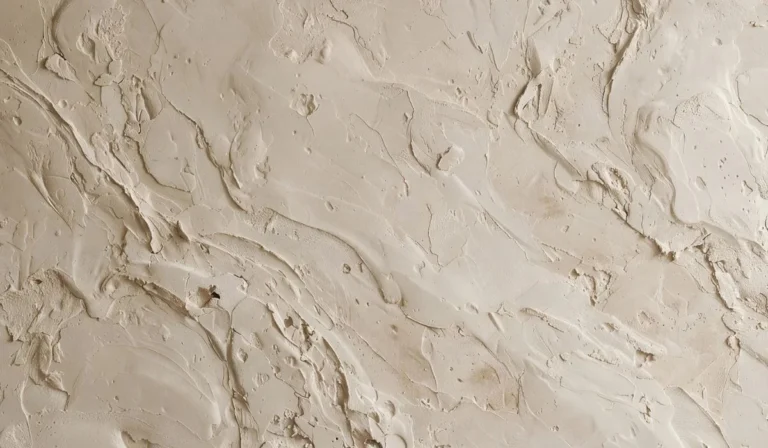
29 Latest Wall Texture Design | Ideas for a Stylish Home
Walls can completely change the personality of a room. While paint adds color, a beautiful textured wall can introduce depth, dimension, warmth, and character without requiring a complete renovation. From subtle plaster finishes to dramatic stone-inspired surfaces, today’s wall textures offer options for almost every interior style.
These 29 latest wall texture design ideas include modern, luxurious, minimalist, rustic, artistic, and natural-looking finishes. Whether you are updating a bedroom, living room, dining area, hallway, or accent wall, these ideas can help you create a more interesting and sophisticated interior.
1. Modern Concrete Texture
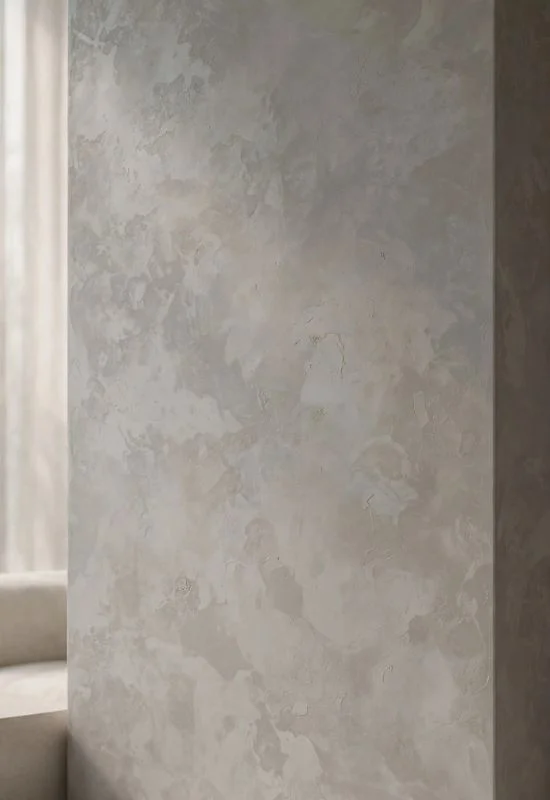
Concrete-inspired walls continue to be popular in contemporary interiors. The soft gray finish creates an industrial appearance while keeping the room sophisticated.
Best for: Living rooms, offices, bedrooms, and modern apartments.
Pair the texture with warm wood, black metal, or neutral furniture for a balanced look.
2. Venetian Plaster Wall
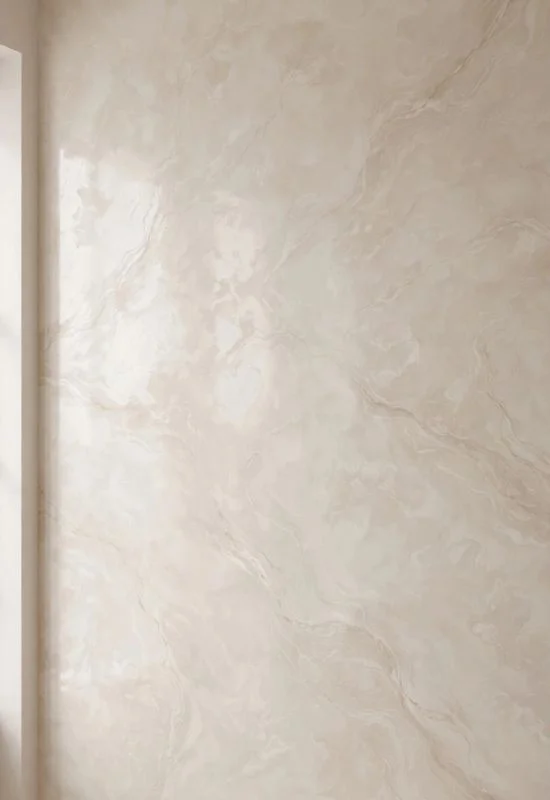
Venetian plaster creates a smooth, layered appearance with subtle variations in tone.
Why it stands out: The finish can make a simple wall look luxurious without relying on busy patterns.
It works particularly well behind a bed, sofa, or dining table.
3. 3D Geometric Wall Texture
Geometric patterns bring dimension and visual movement to an otherwise plain wall.
Popular shapes include:
- Triangles
- Hexagons
- Waves
- Diamonds
- Abstract lines
A 3D geometric design is especially effective as a feature wall.
4. Travertine-Inspired Texture
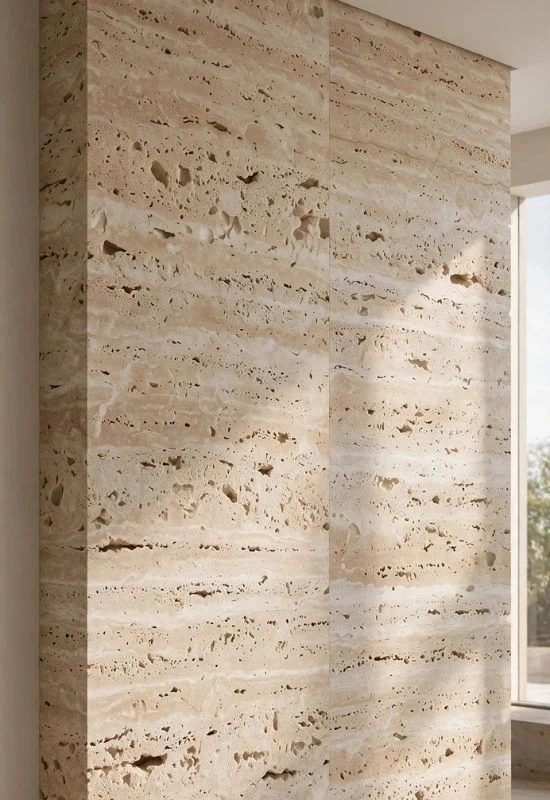
Travertine-style finishes bring a natural stone appearance indoors while creating a warm and elegant atmosphere.
Best color palette: Cream, beige, warm white, taupe, and soft brown.
This texture works beautifully in living rooms and entryways.
5. Fluted Wall Texture
Vertical fluted panels are a stylish way to introduce texture while visually emphasizing ceiling height.
Use it on: TV walls, bedroom headboards, dining areas, and entry walls.
Combine fluted texture with soft lighting for a refined contemporary effect.
6. Sand Texture Finish
A sandy texture creates a subtle organic surface that catches light differently throughout the day.
Why choose it: It adds character without overwhelming minimalist interiors.
Neutral shades work particularly well with this finish.
7. Marble Effect Texture
Marble-inspired wall finishes bring a luxurious appearance to a room.
Instead of covering every wall, use the texture selectively behind a television, bed, vanity, or dining area.
Design tip: Soft veining often creates a more timeless appearance than extremely dramatic patterns.
8. Rustic Stone Wall Texture
Stone-inspired textures can add warmth and a natural architectural feel.
Best for: Fireplaces, living room feature walls, entryways, and rustic-style homes.
Combine stone texture with wood furniture and warm lighting for a cozy atmosphere.
9. Wave Texture Wall
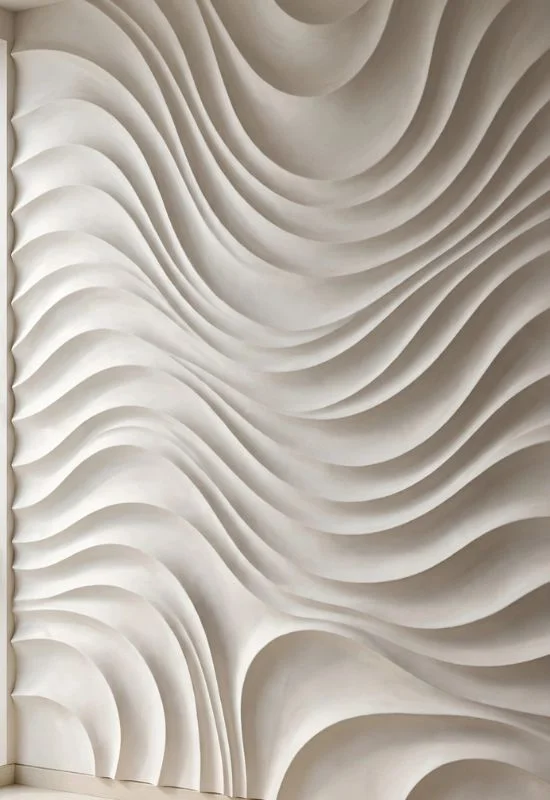
Flowing wave patterns create movement and softness while avoiding rigid geometric shapes.
Perfect for: Bedrooms, creative spaces, lounges, and contemporary living rooms.
Keep the rest of the room relatively simple so the wall remains the focal point.
10. Wood Grain Texture
Wood-inspired wall textures introduce warmth and natural character.
Choose from: Light oak, walnut, reclaimed wood, bamboo-inspired patterns, or darker timber finishes.
Wood texture is especially effective when paired with neutral fabrics and indoor plants.
11. Minimalist Microcement Wall
Microcement-style finishes offer a clean, seamless appearance with very little visual clutter.
Why it is trending: The understated texture works well with minimalist and modern interiors.
Use it with simple furniture, natural materials, and soft lighting.
12. Textured Accent Wall
Instead of applying texture throughout the entire room, choose one wall as a focal point.
Good locations include:
- Behind the bed
- Behind the sofa
- TV wall
- Dining wall
- Entryway wall
This approach gives you visual impact without making the room feel too busy.
13. Brick Texture Wall
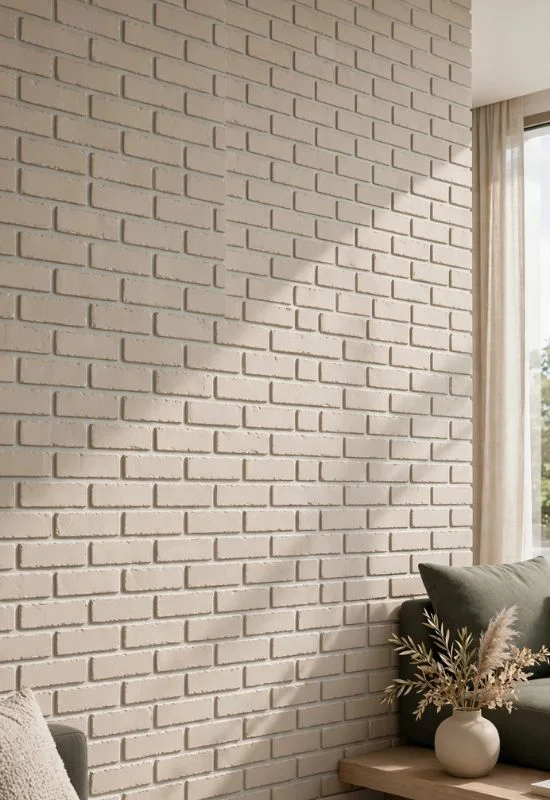
Brick textures can give a room an urban and cozy personality.
Classic red brick creates a rustic industrial feeling, while painted white or beige brick can look much softer and more contemporary.
14. Abstract Plaster Texture
For an artistic interior, try an irregular plaster texture with soft movement and imperfect edges.
Design appeal: The handmade appearance creates character and prevents the room from looking overly polished.
Use earthy neutrals for a modern organic aesthetic.
15. Metallic Texture Wall
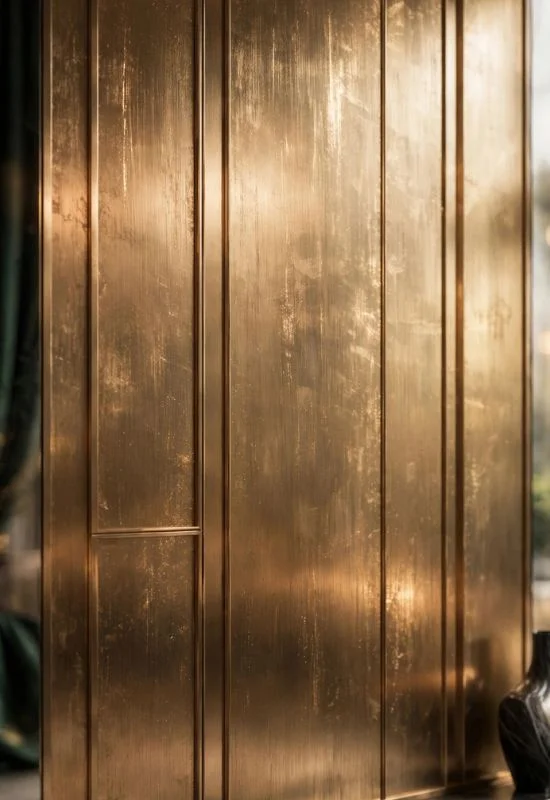
Metallic finishes can create a glamorous statement wall.
Popular shades: Champagne, bronze, silver, copper, and brushed gold.
Because metallic textures reflect light, they are best used selectively rather than across every wall.
16. Linen Texture Finish
A linen-inspired texture creates the appearance of woven fabric on the wall.
Why it works: It adds softness and subtle dimension without dominating the room.
This finish pairs beautifully with neutral furniture and natural textiles.
17. Moroccan Texture Wall
Moroccan-inspired textures can introduce handcrafted character and exotic visual details.
Consider curved patterns, plaster effects, earthy colors, and decorative motifs.
Best for: Bedrooms, reading corners, lounges, and bohemian interiors.
18. Leaf Pattern Texture
Bring nature indoors with a textured leaf pattern.
Large leaves can create a dramatic statement, while smaller botanical patterns offer a softer appearance.
Pair with: Green plants, natural wood, rattan, and neutral fabrics.
19. Wave-and-Ridge Texture
Combining raised ridges with flowing curves creates a sculptural wall effect.
This is an excellent choice for a contemporary accent wall where you want texture to become part of the room’s artwork.
20. Stucco Texture
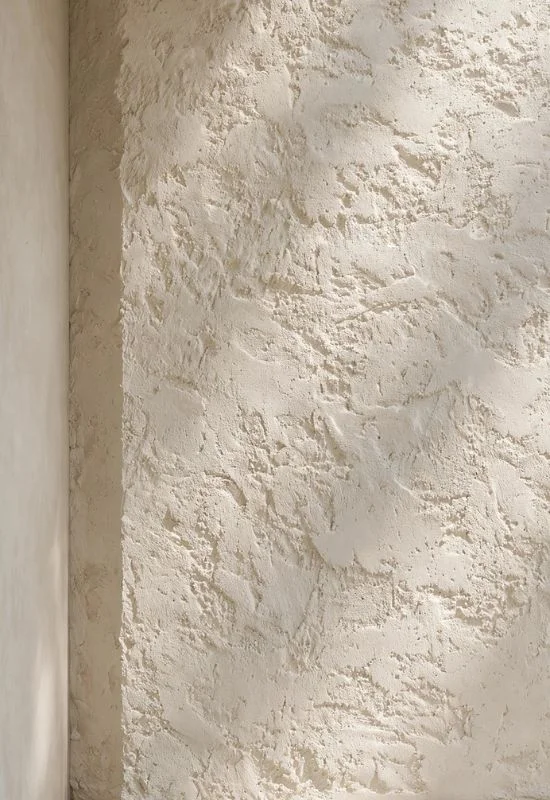
Stucco-inspired walls have a naturally imperfect appearance that works particularly well with Mediterranean, coastal, rustic, and modern organic interiors.
Best colors: Warm white, cream, sand, beige, and light gray.
Add wooden furniture and woven accessories for a relaxed look.
21. Textured Black Accent Wall
A dark textured wall can create a dramatic and sophisticated atmosphere.
Try charcoal, matte black, or deep gray with subtle ridges, plaster, or geometric details.
Design tip: Balance the dark wall with lighter furniture and warm lighting.
22. Soft Beige Texture Wall
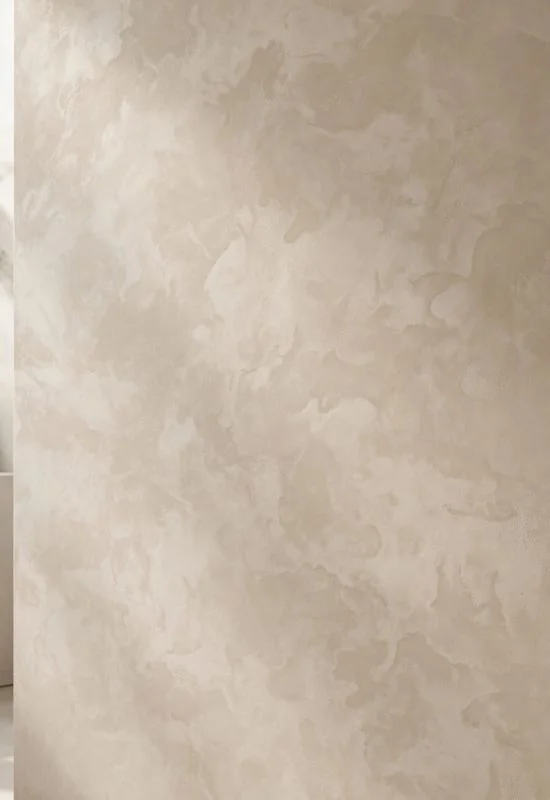
Beige does not have to be boring. A textured beige wall adds depth while maintaining a calm and timeless color palette.
Ideal for: Bedrooms, living rooms, dining rooms, and minimalist homes.
Layer different beige and cream shades throughout the room for a sophisticated monochromatic effect.
23. Vertical Line Texture
Vertical lines are one of the simplest ways to make a wall feel taller and more architectural.
The lines can be narrow and subtle or wide and dramatic depending on the room’s style.
Great location: Behind a sofa, bed, or television.
24. Earth-Tone Textured Wall
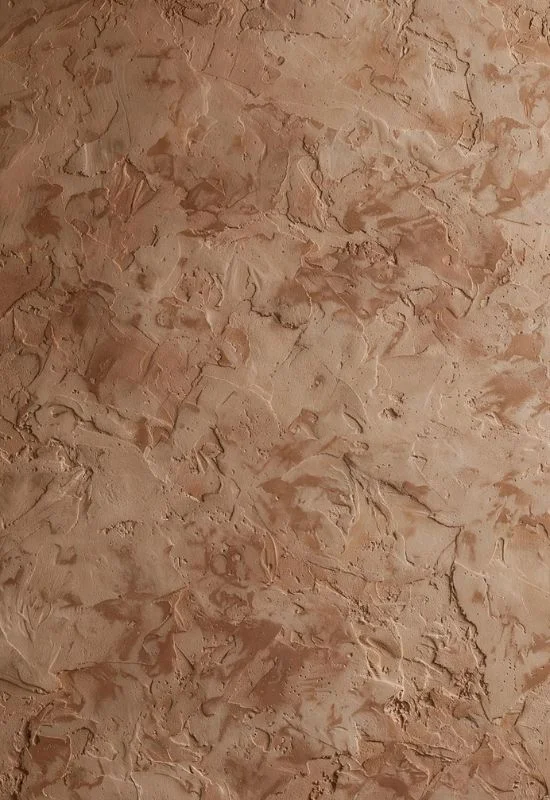
Warm earthy shades such as terracotta, clay, olive, sand, and muted brown can make a textured wall feel inviting.
This style is particularly suitable for modern organic and bohemian interiors.
25. Textured TV Wall
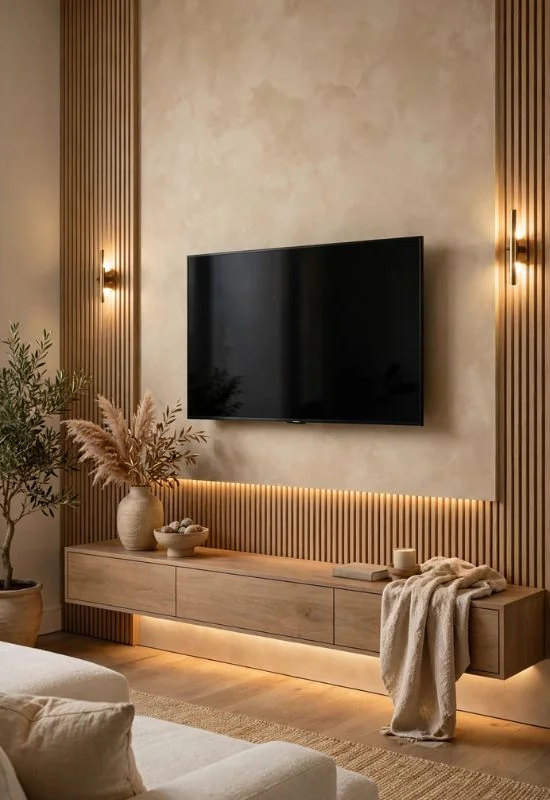
The television wall is one of the most popular places to experiment with texture.
Consider combining:
- Stone texture
- Wood panels
- Fluted panels
- Microcement
- Marble effect
- Backlighting
The goal is to frame the television rather than make the wall compete with it.
26. Bedroom Headboard Texture Wall
Instead of using a traditional headboard, create a textured feature wall behind the bed.
A soft plaster finish, fluted panel, fabric-inspired texture, or subtle wave design can visually anchor the entire bedroom.
Extra touch: Add warm wall lighting to highlight the texture at night.
27. Ceiling-to-Wall Texture
For something more dramatic, continue the same texture from the wall onto part of the ceiling.
This technique creates visual continuity and can make an interior feel more intentionally designed.
Use a subtle finish if the room is small to avoid making it feel enclosed.
28. Nature-Inspired Stone and Wood Combination
Combine two natural textures for a layered interior.
For example, use a stone-effect lower section with warm wood panels above it, or combine a textured plaster wall with wooden vertical slats.
Why it works: Natural materials complement one another and create warmth without excessive decoration.
Read Next: 20 Wall Art Aesthetic
29. Sculptural 3D Feature Wall
For a truly eye-catching contemporary design, choose a sculptural 3D wall with raised curves, geometric shapes, or artistic panels.
Best for: Modern living rooms, luxury bedrooms, creative studios, and statement entryways.
Keep furniture and accessories relatively simple so the sculptural wall remains the star.
How to Choose the Right Wall Texture
Before selecting a texture, consider the size of the room, amount of natural light, furniture style, and purpose of the wall.
For a small room, subtle plaster, linen, microcement, or fine sand textures can add interest without overwhelming the space.
For a large living room, stronger options such as stone, 3D geometric panels, fluted walls, or sculptural textures can create a dramatic focal point.
In a bedroom, softer textures tend to work best. Plaster, fabric-inspired finishes, gentle waves, and warm wood textures can create a calm atmosphere.
Latest Wall Texture Design Color Ideas
The texture is only part of the design. Color can completely change how the finish looks.
Warm neutrals such as beige, cream, taupe, sand, and soft brown are excellent for creating a timeless interior. Gray and charcoal work well in contemporary spaces, while terracotta, olive, and clay tones can give textured walls a more natural appearance.
For a luxury look, consider subtle metallic details or marble-inspired veining.
Final Thoughts
These 29 latest wall texture design ideas show how much personality texture can add to an interior. Whether you prefer minimalist microcement, warm wood grain, elegant Venetian plaster, dramatic 3D patterns, or natural stone effects, there is a wall treatment for almost every style.
You do not have to texture every wall to create a beautiful result. Often, one carefully selected feature wall behind a bed, sofa, television, or dining table is enough to transform the entire room. Choose a texture that complements your furniture and lighting, and your wall can become one of the most memorable features of your home.