20 Art Ideas For Preschoolers Autumn | Fun Fall Activities
Autumn gives preschoolers plenty of natural inspiration for creative projects. Falling leaves, pumpkins, woodland animals, apples, acorns, and changing colors can all become simple art activities. These 20 art ideas for preschoolers autumn are suitable for home, preschool classrooms, daycare centers, and seasonal activity stations, with a mixture of painting, printing, collage, drawing, and sensory techniques.
Warm Autumn Color Projects:
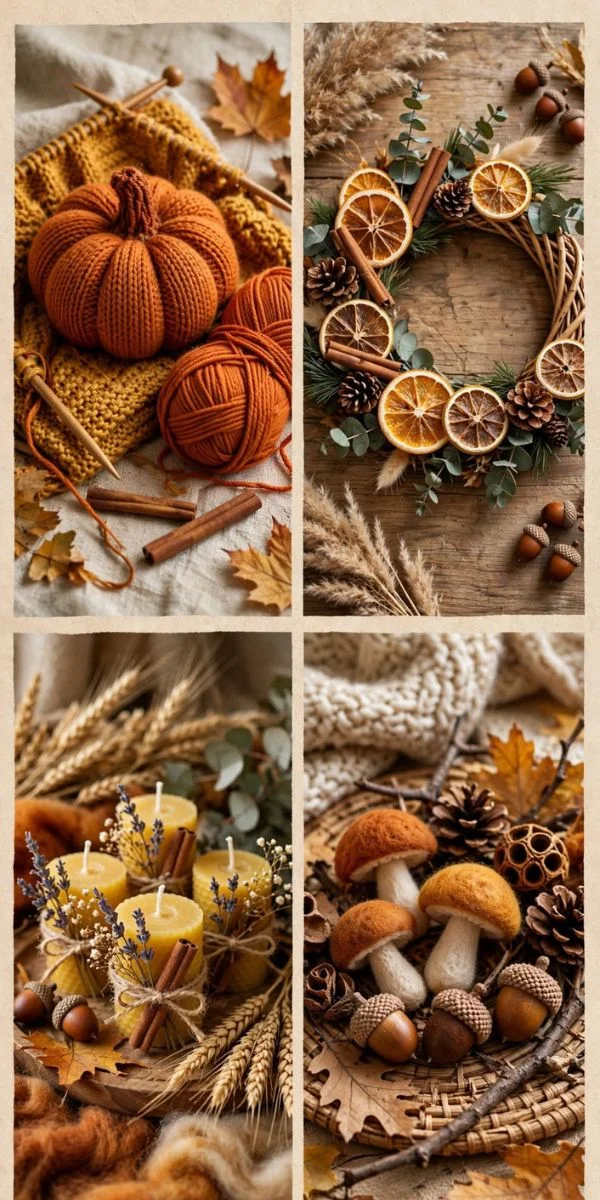
Autumn artwork does not need complicated supplies. Start with familiar colors such as orange, yellow, red, brown, and green, then let children experiment with how those colors look when combined.
1. Autumn Color Mixing Trees
Draw a large tree trunk and branches on white paper. Give children small amounts of red, yellow, and orange washable paint and let them mix colors directly on the paper to create the tree’s leafy crown.
Fact: Red and yellow are primary colors, and mixing them produces orange, making this activity a simple introduction to color mixing.
2. Sponge Painted Fall Leaves
Cut kitchen sponges into basic leaf shapes or use different small sponge pieces. Children can dip them into autumn-colored paint and stamp leaves across a large sheet of paper.
Create several overlapping prints to make the artwork look like a busy autumn tree.
3. Coffee Filter Autumn Art
Give each child a coffee filter and washable markers. After coloring, lightly mist the filter with water and watch the colors spread into one another.
Once dry, the filter can be shaped into a colorful leaf or used as part of a larger autumn collage.
4. Fork-Painted Fall Trees
Paint a tree trunk first and allow children to use a plastic fork to make branches and clusters of leaves. Dip only the tips into orange, yellow, red, or brown paint.
The repeated marks create an interesting texture without requiring detailed brushwork.
5. Autumn Dot Painting
Draw simple pumpkins, leaves, or trees on cardstock. Children can use cotton swabs to fill the shapes with small dots of seasonal colors.
This activity is particularly useful for practicing controlled hand movements while creating colorful patterns.
Nature-Inspired Autumn Creations:
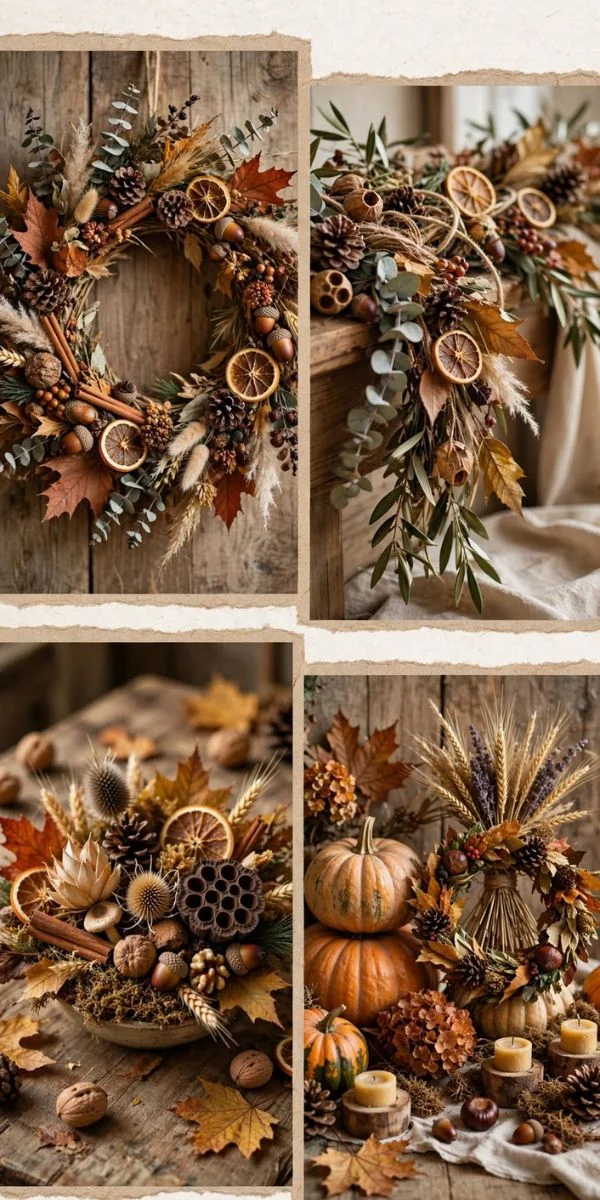
Real autumn materials can make preschool art more tactile and interesting. Children can observe natural shapes before turning them into artwork.
6. Leaf Creature Collage
Collect several clean fallen leaves with different shapes. Children can glue them onto paper and add paper eyes, legs, ears, or tails to transform the leaves into imaginative creatures.
A long leaf might become a fish, while a rounded leaf could become a bird or butterfly.
7. Leaf Vein Rubbings
Place a leaf underneath thin paper with the textured vein side facing upward. Children can gently rub a crayon sideways over the paper to reveal the leaf’s structure.
Fact: Leaf veins help transport water and nutrients throughout the leaf, so this art project can also introduce a basic plant-science concept.
8. Acorn and Leaf Printing
Place a large leaf on a protected work surface and use washable paint with an acorn cap or another textured natural object to add repeated marks.
The finished piece can become an abstract autumn pattern or the background for a seasonal picture.
9. Nature Color Collage
During a supervised outdoor walk, children can look for fallen leaves, small twigs, and other suitable natural materials. Arrange the collected items on paper according to color, shape, or size.
Instead of creating one required picture, let children make their own seasonal arrangement.
10. Autumn Texture Board
Glue larger, safe natural materials onto sturdy cardboard to create a texture board. Children can touch and compare smooth leaves, rough bark-like surfaces, and different paper textures before making drawings inspired by what they feel.
Use only clean materials that are suitable for the children’s age and avoid tiny loose objects around children who may put materials in their mouths.
Pumpkin, Apple, and Harvest Art:

Harvest season provides plenty of recognizable subjects for preschoolers. These projects use familiar foods and farm-inspired themes to create playful artwork.
11. Pumpkin Shape Painting
Give children a pumpkin-shaped outline and several shades of orange paint. They can fill the shape using brushes, sponges, fingers, or cotton swabs.
Add a green stem after the pumpkin dries and encourage children to decorate it with lines, dots, or simple patterns.
12. Apple Half Printing
Cut an apple in half and use the cut side as a stamp. Dip it into washable paint and press it onto paper to make repeated apple shapes.
Children can experiment with red, green, and yellow prints and then draw stems and leaves around them.
13. Paper Bag Scarecrow
Turn a paper lunch bag into a simple scarecrow character. Add paper eyes, a hat, yarn or paper strips for hair, and a colorful shirt.
The finished character can double as a puppet, allowing children to create a short autumn story after completing the art project.
14. Corn Pattern Painting
Use a cleaned corn cob as a textured painting tool. Children can roll or press it into washable paint and then onto paper to produce repeating patterns.
This activity provides an opportunity to talk about how crops such as corn are connected with harvest time.
15. Paper Pumpkin Patch
Cover a large piece of paper with green grass using crayons or paint. Preschoolers can glue orange paper circles or painted pumpkin shapes across the page.
Add vines, leaves, fences, clouds, or tiny insects to turn the individual pumpkins into a complete farm scene.
Woodland Animals and Autumn Story Art:
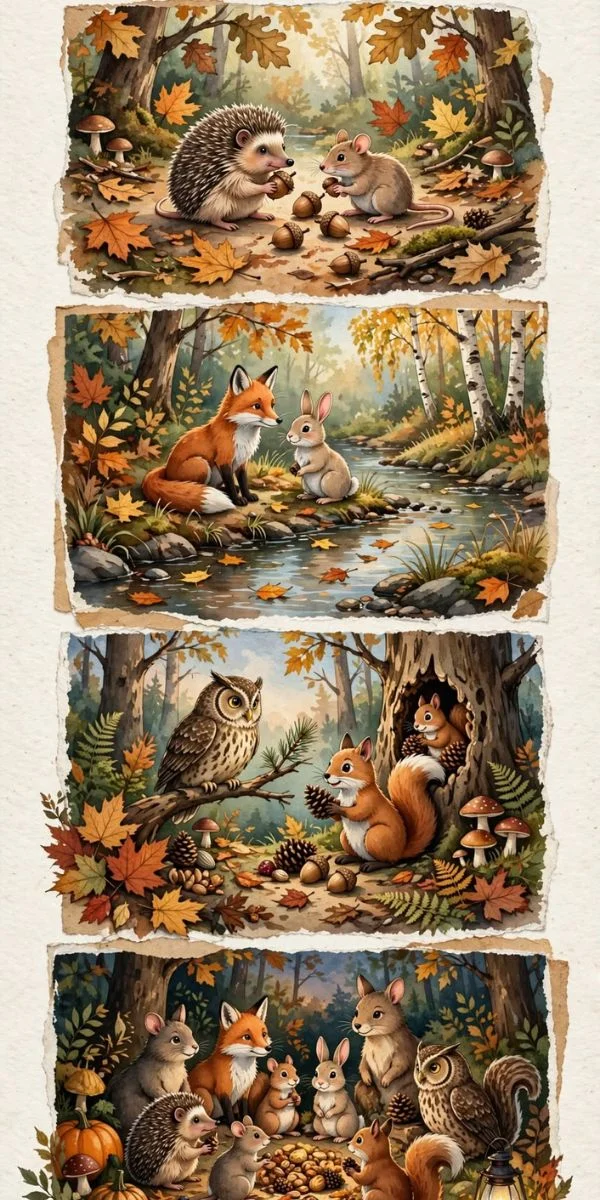
Autumn is also a great time to explore animals that children may associate with forests, parks, and seasonal stories.
16. Friendly Fox Painting
Give children a simple fox outline or let them create one from basic triangles and circles. Use orange, white, brown, and black to decorate the animal.
After painting, children can add fallen leaves around the fox and describe where their animal is hiding.
17. Squirrel With a Leafy Tail
Draw a simple squirrel body and provide paper leaves for the tail. Children can choose different leaf colors and glue them behind the squirrel.
This turns a traditional animal picture into a collage and gives children control over the final design.
18. Paper Owl in an Autumn Tree
Use circles and simple geometric shapes to build an owl from colored paper. Place it on a hand-drawn branch surrounded by fall leaves.
Children can change the owl’s eye colors, feather patterns, and background to make each piece different.
19. Hedgehog Leaf Spikes
Draw or print a basic hedgehog outline. Cover its back with overlapping leaves to represent the animal’s spiky coat.
Add a small paper nose and eyes, then let children decorate the surrounding area with grass, acorns, or autumn trees.
20. Autumn Story Landscape
Give children a blank sheet and ask them to create a picture showing something happening during autumn. They might draw a child jumping into leaves, animals gathering food, a pumpkin patch, or a windy forest.
Afterward, ask each child to explain the picture. This turns an art project into an opportunity for vocabulary, storytelling, and creative expression.
Helpful Materials for an Autumn Art Station
A basic autumn art box can include washable tempera paint, crayons, markers, construction paper, cardstock, glue sticks, child-safe scissors, paper plates, coffee filters, sponges, cotton swabs, and paper bags.
Natural materials such as fallen leaves, acorn caps, and twigs can add variety, but they should be checked and cleaned before use. Keep the setup simple so preschoolers can spend more time creating and less time waiting for materials.
Make the Activities More Preschool-Friendly
Young children often benefit from having a few choices rather than a completely open-ended table. For example, provide three paint colors and let children decide which ones to use.
Avoid correcting unusual color choices. A purple pumpkin or blue squirrel can be a useful sign that a child is experimenting with imagination rather than trying to reproduce a realistic picture.
Easy Autumn Art for a Classroom
If several children are working together, large collaborative projects can reduce the need for many individual supplies. Tape a large sheet of paper to a wall or table and let everyone contribute leaves, pumpkins, animals, and autumn patterns.
Another option is to create four activity stations: painting, collage, nature art, and drawing. Small groups can rotate between stations throughout the day.
What Children Can Learn From Autumn Art
Autumn art activities can support fine-motor development because children manipulate brushes, crayons, paper, glue, and small art tools. Cutting, tearing, stamping, and placing materials also involve hand-eye coordination.
Seasonal projects can support early science learning as well. Children can discuss why leaves change appearance, what plants produce, and how animals behave in different seasons.
Simple Ways to Extend an Autumn Art Lesson
Pair an art project with a short nature walk, seasonal book, song, or conversation. After making leaf rubbings, for example, children can compare the shapes and sizes of leaves they have seen outside.
For a longer classroom project, display the artwork alongside children’s descriptions. This creates a seasonal gallery while giving preschoolers opportunities to practice speaking and describing their creative choices.
Frequently Asked Questions
What are the best art ideas for preschoolers in autumn?
Leaf printing, pumpkin painting, apple stamping, autumn trees, nature collages, and simple woodland animal projects are excellent choices. They use familiar seasonal subjects and can be adapted for different preschool skill levels.
What colors should preschoolers use for autumn art?
Traditional autumn colors include red, orange, yellow, brown, and green. However, preschoolers should be encouraged to explore other colors too, especially during imaginative projects.
Can preschoolers use real leaves for art?
Yes. Clean, dry fallen leaves can be used for printing, rubbing, collage, and creative pictures. Adults should inspect natural materials before use and supervise children during the activity.
How do you make autumn art less messy?
Use washable paint, cover tables, provide small quantities of paint, and use tools such as cotton swabs or sponges for controlled application. For very low-mess activities, choose crayons, paper collage, and leaf rubbing.
What autumn crafts can preschoolers make with leaves?
Preschoolers can turn leaves into animals, make leaf collages, create leaf-rubbing pictures, stamp leaves with paint, or arrange them into seasonal landscapes.
How can autumn art support preschool learning?
Autumn art can encourage fine-motor practice, color recognition, sensory exploration, creativity, vocabulary, observation, and early science discussions about seasonal changes.