40 Art Drawings | Drawing Ideas to Inspire Your Next Masterpiece
Drawing is one of the easiest ways to turn an idea into visual art. You only need a pencil, pen, colored pencils, or another favorite medium to begin. Whether you’re a beginner looking for easy things to draw or an experienced artist searching for new inspiration, the right subject can make the creative process much more enjoyable.
These 40 art drawings ideas are divided into four categories: nature drawings, people and character drawings, cute and creative drawings, and detailed or artistic drawing concepts. You can keep them simple with basic outlines or add shading, texture, and color as your skills develop.
Nature Art Drawings:

Nature provides an endless collection of shapes, textures, and subjects to draw. Leaves, flowers, mountains, skies, and animals can all become beautiful drawing projects.
1. Detailed Rose Drawing
Draw a rose by starting with the small curled petals in the center and gradually building outward. Use curved lines and gentle shading to create overlapping petals.
Try drawing one large rose or create a page filled with roses in different stages of bloom.
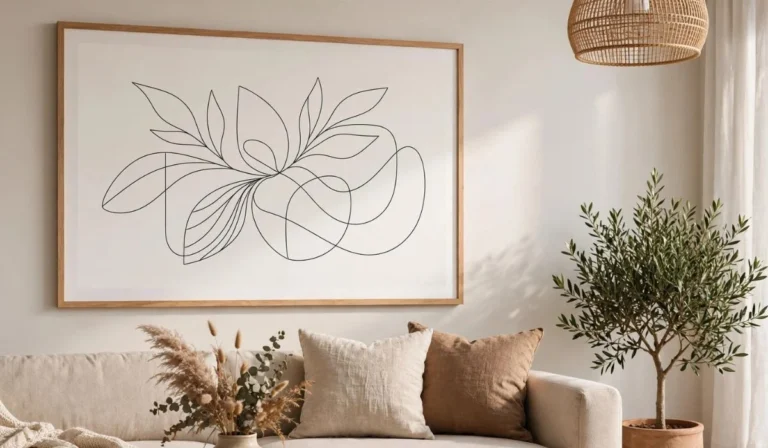
2. Botanical Leaf Drawing
Choose several leaves with different shapes and carefully sketch their outlines. Add the central vein and smaller veins to make each leaf more realistic.
Black ink works especially well for creating clean botanical artwork.
3. Mountain Landscape Drawing
Sketch a mountain range with overlapping peaks, clouds, trees, and a small lake. Use darker shading in the foreground and lighter lines in the distance to create depth.
This is an excellent drawing exercise for practicing perspective.
4. Mushroom Drawing
Mushrooms are fun subjects because you can make them realistic or whimsical. Draw several mushroom varieties with different caps, stems, and patterns.
Add tiny plants, moss, or woodland details around them for a complete illustration.
5. Ocean Wave Drawing
Study the curved movement of waves and recreate the water using flowing lines. Add foam, shadows, and highlights to make the waves appear more dynamic.
Blue colored pencils or watercolor can be added afterward.
6. Sunflower Drawing
Start with the circular center of the sunflower and build layers of petals around it. Don’t make every petal identical—small variations make the flower appear more natural.
Add broad leaves and a textured stem to complete the drawing.
7. Moon and Stars Drawing
Draw a large crescent or full moon surrounded by stars, clouds, and tiny celestial details.
A black or dark-colored background with white highlights can create a dramatic nighttime appearance.
8. Forest Path Drawing
Create a winding path surrounded by trees. Make the trees near the viewer larger and more detailed while keeping distant trees smaller.
This simple technique can give a flat drawing a strong sense of depth.
9. Butterfly Drawing
Draw a butterfly with symmetrical wings and fill the wings with decorative patterns. You can use realistic markings or invent your own colorful design.
Create several butterflies with different wing patterns for a complete art page.
10. Cloud Drawing
Practice drawing different types of clouds using soft outlines and gentle shading. Combine several clouds to create a peaceful sky scene.
Experiment with fluffy clouds, thin clouds, storm clouds, and sunset clouds.
People, Faces & Character Drawings:

Drawing people can help you improve proportions, expressions, poses, and storytelling. Start with simple forms and gradually introduce more details.
11. Eye Drawing
Practice drawing an eye from different angles. Focus on the shape of the eyelids, iris, pupil, eyelashes, and small highlights.
Create a study page showing eyes with different expressions.
12. Side Profile Portrait
Draw a person’s face from the side, paying attention to the forehead, nose, lips, chin, and neck.
You can surround the portrait with flowers, leaves, stars, or geometric patterns.
13. Realistic Face Drawing
Use a reference photo to practice facial proportions. Begin with light guidelines before adding the eyes, nose, mouth, hair, and shadows.
Keep the first version simple and concentrate on getting the overall structure right.
14. Cute Girl Drawing
Create a stylized character with simple facial features, expressive eyes, and a fashionable hairstyle.
Add accessories such as bows, earrings, flowers, or glasses to give the character a unique personality.
15. Fashion Figure Drawing
Sketch a simple human figure wearing an interesting outfit. Experiment with dresses, jackets, skirts, oversized sweaters, or casual streetwear.
Use colored pencils or markers to introduce fabric patterns and accessories.
16. Anime-Inspired Character Drawing
Create a stylized character with expressive eyes, distinctive hair, and a dramatic outfit. Focus on your own character design rather than simply reproducing an existing character.
Try different poses and facial expressions.
17. Hand Drawing Practice
Hands can be challenging, making them an excellent subject for practice. Draw individual fingers first, then experiment with open palms, fists, pointing gestures, and relaxed hands.
Use simple geometric forms to understand the basic structure.
18. Sitting Figure Drawing
Draw a person sitting on a chair, bench, floor, or staircase. Start with the pose and basic body shapes before adding clothing and facial details.
This is useful for learning body proportions and perspective.
19. Silhouette Drawing
Create a solid silhouette of a person standing beneath a moon, beside a tree, or looking across a landscape.
Because the facial features don’t need to be drawn, the focus can remain on the pose and overall composition.
Read Next: 28 Art Inspiration | Creative Ideas
20. Character Expression Sheet
Draw one character showing multiple emotions. Include happiness, sadness, anger, surprise, confusion, excitement, and calm expressions.
This makes a fun drawing project while helping you understand how facial features communicate emotion.
Cute & Creative Art Drawings:

If you want something playful rather than realistic, cute drawing ideas are a great choice. Simple shapes and expressive details can transform ordinary subjects into charming illustrations.
21. Cute Cat Drawing
Draw a cat using rounded shapes and oversized eyes. Add tiny details such as whiskers, paws, a bow, or a flower.
Try creating several cats with different poses and personalities.
22. Kawaii Food Drawing
Turn everyday foods into cute characters. Draw strawberries, cupcakes, pizza, ice cream, coffee cups, or donuts with tiny faces.
Use simple colors and small decorative details to complete the kawaii style.
23. Cute Bunny Drawing
Create a fluffy bunny using basic circles and curved shapes. Add long ears, a tiny nose, and expressive eyes.
Place the bunny in a garden or give it a small basket for a seasonal illustration.
24. Cute Mushroom House
Combine a mushroom and a tiny cottage to create a whimsical fantasy house. Add windows, a little door, flowers, stones, and miniature trees.
This is an especially fun idea for imaginative drawing sessions.
25. Cute Plant Character
Turn a houseplant into a little character by adding eyes, a smile, arms, or tiny legs.
Try different plants such as cactus, monstera, succulent, or sunflower.
26. Tiny Fairy Drawing
Sketch a small fairy with delicate wings, flowing hair, and a simple dress. Surround the character with flowers, stars, or glowing dots.
Keep the proportions stylized for a magical storybook appearance.
27. Cute Bear Illustration
Draw a bear sitting, waving, sleeping, or holding a heart. Use rounded shapes and minimal details to keep the illustration approachable.
Add a scarf or tiny backpack to create a seasonal character.
28. Doodle Art Page
Fill an entire page with small drawings such as hearts, stars, flowers, clouds, bows, faces, animals, and abstract shapes.
There is no need to connect the doodles into one scene. The goal is to create a playful collection of small ideas.
29. Sticker-Style Drawing
Choose several simple subjects and draw them as if they were stickers. Give each object a bold outline and small decorative details.
Ideas include coffee cups, flowers, heahones, books, stars, cameras, and pets.
30. Dream Bedroom Drawing
Illustrate your ideal bedroom with a cozy bed, pillows, plants, artwork, shelves, lamps, and decorative objects.
Use the drawing as a way to experiment with interior design ideas and personal style.
Detailed & Artistic Drawing Ideas:

For artists who want more challenging projects, detailed drawings can improve observation, shading, composition, and patience.
31. Pencil Portrait With Shading
Create a portrait using graphite pencils and focus on light and shadow. Start with basic proportions before gradually building darker areas around the eyes, nose, hair, and jawline.
Different pencil grades can help create a wider range of values.
32. Detailed Eye With Reflection
Draw a close-up eye and include a reflection inside the iris. Carefully build the eyelashes and surrounding skin using different line weights.
This can become a striking standalone drawing.
33. Old House Drawing
Sketch an old cottage or historic house surrounded by plants. Include details such as windows, bricks, wooden boards, doors, and roof textures.
Fine-line pens are useful for architectural details.
34. City Street Drawing
Draw a busy street with buildings, signs, cars, sidewalks, and people. Use perspective lines to make the buildings appear to extend into the distance.
You can simplify the details if you’re still learning perspective.
35. Still Life Drawing
Arrange several objects such as a vase, fruit, books, and a cup. Draw them from one viewpoint and pay attention to their proportions and shadows.
Still life is a classic way to improve observation skills.
36. Detailed Feather Drawing
Study the structure of a feather and recreate its central shaft and individual barbs. Add gentle shading to give it dimension.
Try drawing several feathers with different shapes and textures.
37. Antique Key Drawing
An old-fashioned key can become a surprisingly detailed art subject. Focus on the metal texture, small decorative elements, and cast shadow.
Place several keys together for a vintage-inspired composition.
38. Eye-Catching Mandala Drawing
Build a detailed mandala from a central circle outward. Repeat petals, dots, geometric forms, and curved patterns around each section.
Fine-tip pens are ideal when working on intricate designs.
39. Fantasy Castle Drawing
Design a castle with towers, bridges, windows, flags, mountains, and clouds. Don’t worry about following real architecture—combine different shapes to create your own fantasy world.
Add tiny figures or a winding road to give the scene a sense of scale.
40. Surreal Art Drawing
Combine unrelated objects into one unusual scene. For example, you could draw a giant moon growing flowers, a floating house, or an eye surrounded by an ocean.
Surreal drawing is perfect when you want to move beyond realistic subjects and let imagination control the composition.
How to Improve Your Art Drawings
Improving your drawing skills doesn’t require creating a masterpiece every day. Consistent practice with different subjects can gradually improve your control, observation, proportions, and understanding of light.
Practice Basic Shapes
Circles, squares, cylinders, cones, and rectangles appear in almost everything you draw. Learning to construct objects from these basic shapes makes complicated subjects easier to understand.
Study Light and Shadow
Choose one object and draw it using only pencil. Identify the lightest highlight, middle tones, and darkest shadows.
This simple exercise can dramatically improve the three-dimensional appearance of your drawings.
Use Reference Images
Reference photos can help you understand anatomy, plants, animals, architecture, and objects. Instead of copying every detail, use the reference to study shapes, proportions, and lighting.
Keep a Drawing Journal
A sketchbook gives you a place to experiment without worrying about perfection. Make quick drawings, test new subjects, and record ideas that you might develop later.
Easy Art Drawings for Beginners
If you’re new to drawing, begin with subjects that have recognizable and uncomplicated shapes. Flowers, leaves, clouds, mushrooms, cute animals, fruit, simple houses, and doodles are good options.
Once you’re comfortable with outlines, introduce basic shading and perspective. You don’t need to master every technique before moving on to a new subject.
Art Drawing Ideas for Adults
Adults can explore more detailed and expressive subjects such as portraits, fashion figures, botanical studies, still life, architecture, fantasy scenes, and surreal illustrations.
Drawing can also become a relaxing creative routine. Even 15 to 20 minutes of sketching can give you an opportunity to practice without turning the activity into a demanding project.
Frequently Asked Questions
What are some easy art drawings for beginners?
Flowers, leaves, clouds, mushrooms, cute animals, doodles, simple landscapes, and basic food illustrations are excellent beginner drawing subjects.
What should I draw when I’m bored?
Try drawing something unexpected, such as a tiny fantasy house, cute food character, imaginary animal, dream bedroom, or surreal landscape. Randomly combining two unrelated subjects can also produce interesting ideas.
How can I make my drawings look better?
Focus on proportions, clean lines, light and shadow, perspective, and observation. Practicing the same subject from different angles can also help you understand its structure.
What can I draw with just a pencil?
You can create portraits, landscapes, flowers, still life, animals, architecture, eyes, hands, mandalas, and detailed objects using only a pencil and paper.
What are good art drawing ideas for adults?
Detailed portraits, botanical illustrations, fashion sketches, architectural drawings, still life, fantasy scenes, mandalas, and surreal artwork can all provide enjoyable challenges for adults.
How do I get better at drawing faces?
Start by learning basic facial proportions and practice individual features such as eyes, noses, mouths, and ears. Then gradually combine them into complete portraits.
What is a good drawing idea for a sketchbook?
Create themed sketchbook pages. For example, dedicate one page to flowers, another to eyes, another to cute animals, and another to tiny houses. This makes practice more organized and visually interesting.
How often should I practice drawing?
Regular practice is more important than long sessions. Even short, consistent drawing sessions can help you improve your line control, observation, proportions, and confidence over time.