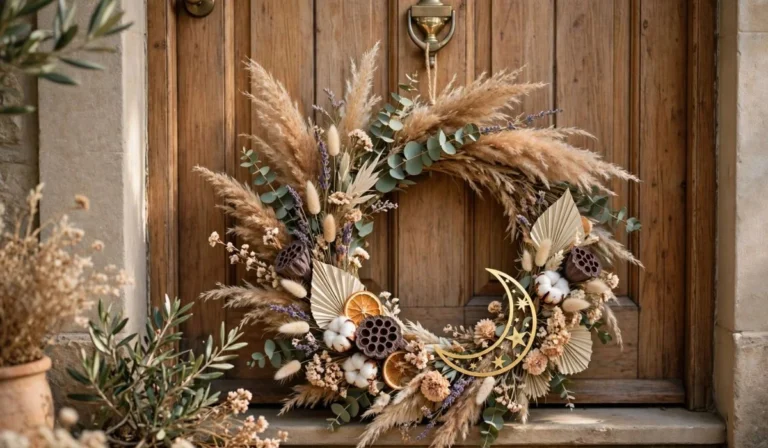
25 Wreath Form Ideas | Beautiful DIY Door Decor
A wreath form is the foundation of any beautiful wreath, and choosing the right shape and material can completely change the final look. From classic grapevine rings to creative wire frames, foam bases, embroidery hoops, and unique handmade structures, there are plenty of wreath form ideas for every crafting style.
Whether you are making an Eid wreath, Christmas decoration, floral arrangement, seasonal door decor, or a simple DIY home accent, these wreath forms can help you create something unique.
25 Wreath Form Ideas | Beautiful DIY Door Decor:
1. Grapevine Wreath Form

A grapevine wreath is one of the most versatile options for DIY wreath projects. Its natural branches provide a rustic texture and make it easy to tuck in flowers, greenery, ribbons, and seasonal decorations.
It works especially well for farmhouse, fall, Easter, and floral wreaths.
2. Foam Wreath Form
Foam wreath forms provide a smooth and lightweight base for many craft projects. Wrap the foam with ribbon, fabric, yarn, moss, or greenery before adding decorative elements.
This type of wreath form is particularly useful for beginners.
3. Wire Wreath Form
A wire wreath form usually features several circular rings that provide a sturdy structure for attaching materials.
Use floral wire to secure greenery, artificial flowers, mesh, ribbons, or seasonal ornaments. It is a practical choice for both large and small wreaths.
4. Embroidery Hoop Wreath Form

An embroidery hoop makes an inexpensive and minimalist wreath base. Choose a wooden hoop and decorate one section with flowers, greenery, dried stems, or fabric.
The exposed wood creates attractive negative space and gives the finished wreath a modern appearance.
5. Cardboard Wreath Form
A cardboard wreath form is an easy DIY option when you want to create a wreath on a budget. Cut a large circular ring from sturdy cardboard and cover it with fabric, paper, yarn, or greenery.
This is also an excellent craft project for children.
6. Straw Wreath Form
A straw wreath provides a natural texture that works beautifully with rustic and seasonal decorations.
Wrap it with fabric or burlap, or attach dried flowers, wheat stems, leaves, and ribbons directly to the surface.
7. Pool Noodle Wreath Form
A pool noodle can be transformed into a lightweight circular wreath base. Cut the noodle to the desired length and connect the ends securely.
Wrap it with fabric, ribbon, yarn, or decorative mesh to hide the original material.
8. Paper Plate Wreath Form
For a simple children’s craft, use a paper plate as the base. Cut out the center and leave the outer ring intact.
Decorate the ring with paper flowers, leaves, pom-poms, stickers, or seasonal shapes.
9. Wire Coat Hanger Wreath Form
A wire coat hanger can be reshaped into a circle and used as a homemade wreath frame.
The built-in hook also makes hanging the finished decoration easy. Wrap the wire with greenery, ribbon, fabric, or artificial flowers.
10. Wooden Hoop Wreath Form
A wooden hoop creates a clean and modern foundation for floral and minimalist wreath designs.
Decorate one side with eucalyptus, roses, dried flowers, or seasonal greenery while leaving part of the wood visible.
11. Willow Branch Wreath Form

Flexible willow branches can be woven into a natural circular wreath form.
The branches create an organic texture and are especially attractive for spring, summer, rustic, and farmhouse-style decorations.
12. Moss Wreath Form
A moss-covered base creates a natural green background for flowers and seasonal decorations.
Add faux mushrooms, small flowers, butterflies, birds, berries, or miniature ornaments for a woodland-inspired design.
13. Burlap-Wrapped Wreath Form
Cover a simple foam or wire base with burlap strips to create a warm rustic foundation.
Burlap works beautifully with wooden signs, cotton stems, dried flowers, sunflowers, and farmhouse decorations.
14. Yarn-Wrapped Wreath Form
Wrap a foam or cardboard wreath form completely with yarn to create a soft and colorful base.
Choose one color for a minimalist appearance or combine several shades for a playful seasonal wreath.
15. Mesh Wreath Form

Decorative mesh can be attached to a wire frame to create a full and textured wreath.
This form is popular for holiday decorations because the mesh can easily be layered with ribbons, ornaments, signs, and bows.
16. Twig Wreath Form
Thin twigs can be arranged into a circular shape and secured with floral wire.
The rough texture provides a beautiful natural background for dried flowers, leaves, berries, and rustic seasonal decorations.
Read Next: 30 Eid Mubarak Floral Wreath
17. Floral Foam Ring

A floral foam ring is useful when working with fresh flowers. The foam can hold water and help keep flower stems hydrated.
It is a practical option for fresh floral wreaths used for special events and celebrations.
18. Recycled Cardboard Box Wreath Form
Turn an old cardboard shipping box into a custom wreath base. Trace a circular object, cut out the ring, and cover it with paper, fabric, paint, or decorative materials.
This is a budget-friendly way to reuse materials you already have at home.
19. Ribbon-Wrapped Wire Form
Start with a basic wire frame and wrap it completely with wide ribbon.
The ribbon creates a polished background and can coordinate with the colors of your flowers, bows, ornaments, or seasonal decorations.
20. Felt Wreath Form
Create a soft wreath foundation by wrapping a foam or cardboard base with felt.
Felt is particularly useful for children’s crafts and colorful holiday projects because it is easy to cut, glue, and layer.
21. Bamboo Hoop Wreath Form

A bamboo hoop gives a wreath a lightweight natural appearance.
Decorate it with tropical leaves, dried flowers, eucalyptus, ribbons, or handmade ornaments for a relaxed botanical style.
22. Recycled Newspaper Wreath Form
Roll sheets of newspaper into sturdy tubes and shape them into a circular base.
Cover the finished form with fabric, paper flowers, yarn, or paint. It is an inexpensive option for creative recycled crafts.
23. Rope Wreath Form
Coiled rope can be wrapped around a simple base or shaped into a wreath on its own.
Natural rope creates a nautical or coastal appearance, while colored rope can be used for modern seasonal decorations.
24. Fabric-Stuffed Wreath Form
Use strips of fabric or old clothing to create a soft stuffed wreath base.
Fill fabric tubes with batting or other lightweight material, connect the ends, and decorate with flowers, bows, buttons, or seasonal embellishments.
25. Asymmetrical Wreath Form

Instead of starting with a complete circle, create a partial or asymmetrical frame using a wooden hoop, wire, or flexible branches.
Decorate one side with oversized flowers and greenery while leaving the rest open. This modern structure creates an elegant wreath with plenty of negative space.
How to Choose the Right Wreath Form?
For Floral Wreaths
Foam rings, grapevine forms, wire frames, and wooden hoops are excellent choices for floral projects. Choose a form based on whether you are using fresh, dried, or artificial flowers.
For Heavy Decorations
Wire and sturdy grapevine forms are better when your wreath includes heavy ornaments, large signs, pinecones, or multiple decorative layers.
For Lightweight DIY Crafts
Cardboard, paper plates, felt, yarn-covered foam, and recycled materials are ideal for lightweight projects and children’s crafts.
For Minimalist Designs
Wooden hoops and embroidery hoops create clean shapes with plenty of open space. They are especially suitable for modern floral wreaths.
Tips for Making a Wreath Form:
Start With a Strong Base
Make sure the frame is strong enough to support all of your decorations. A heavier design needs a sturdier base.
Cover the Base When Necessary
Foam, cardboard, and wire can easily be hidden with ribbon, fabric, greenery, yarn, burlap, or decorative mesh.
Plan the Arrangement First
Before attaching anything permanently, place your flowers and decorations around the form to determine the best composition.
Keep the Weight Balanced
Distribute heavier decorations evenly unless you intentionally want an asymmetrical design. A balanced wreath is easier to hang and less likely to tilt.
FAQs About Wreath Forms:
What is the easiest wreath form for beginners?
A foam wreath form or wooden hoop is easy to work with because decorations can be attached with glue, pins, wire, or ribbon.
What can I use instead of a wreath form?
You can use cardboard, a wire coat hanger, a paper plate, pool noodle, twigs, rope, or recycled materials to create a homemade wreath base.
Which wreath form is best for outdoor use?
Wire and grapevine forms are commonly useful for outdoor wreaths, but the decorations themselves should also be weather-resistant. Protect materials from excessive rain and direct sunlight when necessary.
Can I make a wreath form at home?
Yes. Many wreath forms can be made using cardboard, wire, branches, rope, fabric, newspaper, or recycled household materials.
What size wreath form should I use?
A 12- to 18-inch form is a popular size for many doors and indoor decorations. Larger spaces may require a bigger frame, while small wreaths work well on cabinets, windows, and interior doors.
Can I reuse a wreath form?
Absolutely. A sturdy wreath form can be decorated differently for Christmas, Eid, Easter, Halloween, fall, spring, and other occasions. Reusing the same base can also make seasonal decorating more affordable.