28 Art Inspiration | Creative Ideas to Spark Your Next Masterpiece
Finding the right subject can be the hardest part of making art. Sometimes you have the supplies, the time, and the desire to create, but you simply don’t know what to draw or paint. That’s where fresh art inspiration can make a difference.
From dreamy landscapes and expressive portraits to colorful abstract compositions and everyday objects, inspiration can come from almost anywhere. The following 28 art inspiration ideas are divided into four categories to help you find a creative direction that fits your mood and artistic style.
Nature & Landscape Art Inspiration:

Nature is one of the easiest places to find artistic inspiration. Changing seasons, natural textures, dramatic skies, flowers, and landscapes provide endless subjects to explore.
1. Dreamy Mountain Landscape
Paint or draw a mountain range surrounded by mist, clouds, and distant trees. Use lighter tones for the background mountains and gradually darker values toward the foreground to create depth.
For a more imaginative result, add a glowing sunrise, moon, or unusual sky.
2. Enchanted Forest Scene
Imagine a forest filled with tall trees, winding paths, mushrooms, and tiny lights. You can make the scene realistic or give it a magical storybook appearance.
Watercolor works beautifully for a soft woodland atmosphere, while acrylics can create stronger contrast.
3. Wildflower Field
Create a field covered with colorful wildflowers beneath a bright sky. Instead of painting every flower individually, use loose brushstrokes and clusters of different colors.
This approach keeps the artwork natural while avoiding unnecessary detail.
4. Ocean Waves
Use the movement of ocean waves as your main subject. Study how water curls, crashes, and reflects light before translating those shapes into your artwork.
Try acrylic, watercolor, colored pencils, or ink depending on the texture you want.
5. Autumn Tree Illustration
Draw a large tree covered with red, orange, yellow, and brown leaves. A simple background can make the changing foliage become the main focus.
Add falling leaves to create movement across the composition.
6. Moonlit Landscape
Create a nighttime landscape featuring a large moon, distant hills, trees, and a quiet lake. Keep the foreground relatively dark while adding small highlights to the water and sky.
A limited color palette can make the scene feel peaceful and atmospheric.
7. Tropical Paradise
Imagine a tropical beach with palm trees, bright water, flowers, and a colorful sunset. Don’t feel restricted to realistic colors—pink skies, turquoise water, and purple clouds can make the artwork more imaginative.
Portrait & Character Art Inspiration:

People and fictional characters provide opportunities to explore facial expressions, emotions, clothing, poses, and storytelling.
8. Expressive Portrait
Instead of concentrating only on realistic proportions, focus on the emotion in the person’s face. Happiness, curiosity, sadness, confidence, or surprise can completely change the atmosphere of a portrait.
Experiment with exaggerated colors or loose brushwork for a more artistic interpretation.
9. Self-Portrait With a Twist
Create a self-portrait but add an unusual element. You could surround yourself with flowers, stars, favorite objects, books, or imaginary scenery.
The background can tell part of the story without requiring complicated details.
10. Fashion Illustration
Sketch a figure wearing an outfit inspired by your favorite fashion aesthetic. Experiment with oversized clothing, flowing dresses, streetwear, vintage looks, or futuristic designs.
Use markers, colored pencils, or watercolor to emphasize fabrics and accessories.
Read Next: 29 Art Ideas | Creative, Easy & Inspiring Art
11. Fantasy Character
Invent a completely original character from an imaginary world. Consider their hairstyle, clothing, accessories, personality, and environment.
Give the character a distinctive feature such as unusual eyes, wings, magical jewelry, or an elaborate costume.
12. Profile Portrait
Draw a person’s face from the side rather than straight-on. The nose, lips, forehead, chin, and hairstyle create a distinctive silhouette.
Add flowers, geometric patterns, or abstract shapes around the profile to create a contemporary composition.
13. Character Emotion Sheet
Draw the same fictional character showing several emotions. Include expressions such as excitement, anger, confusion, happiness, embarrassment, and surprise.
This is not only a fun art idea but also a useful exercise for learning facial expressions.
14. Silhouette Art
Create a dark silhouette of a person against a colorful background. The figure can be standing beneath a tree, looking at the stars, walking through a city, or sitting beside the ocean.
The contrast between the silhouette and background creates a dramatic visual effect.
Abstract & Experimental Art Inspiration:

You don’t always need a recognizable subject to create meaningful artwork. Abstract art allows you to focus on movement, shape, texture, color, and emotion.
15. Color Mood Painting
Choose colors that represent a particular mood. Soft blues and greens can create a peaceful feeling, while vibrant reds, oranges, and yellows can produce energy.
Let the colors guide the composition instead of starting with a specific object.
16. Geometric Composition
Build an artwork entirely from circles, triangles, rectangles, lines, and other geometric forms. Overlap shapes and experiment with different sizes.
Try both symmetrical and asymmetrical arrangements to see how they change the visual balance.
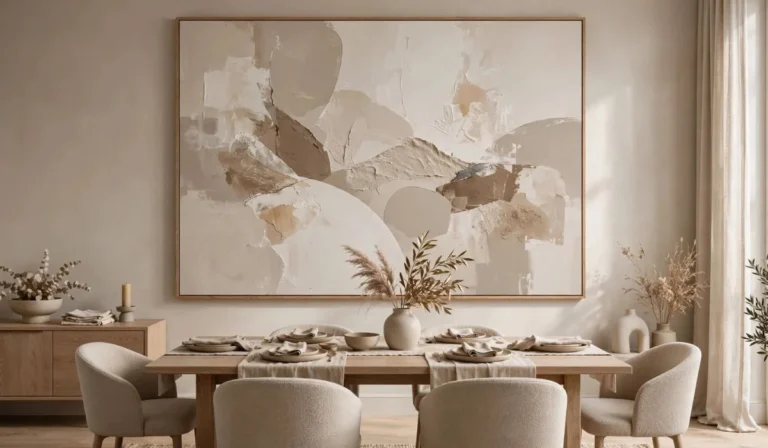
17. Abstract Floral Shapes
Take inspiration from flowers without drawing them realistically. Reduce petals, stems, and leaves into simple curves and colorful shapes.
This creates a recognizable connection to nature while keeping the artwork modern.
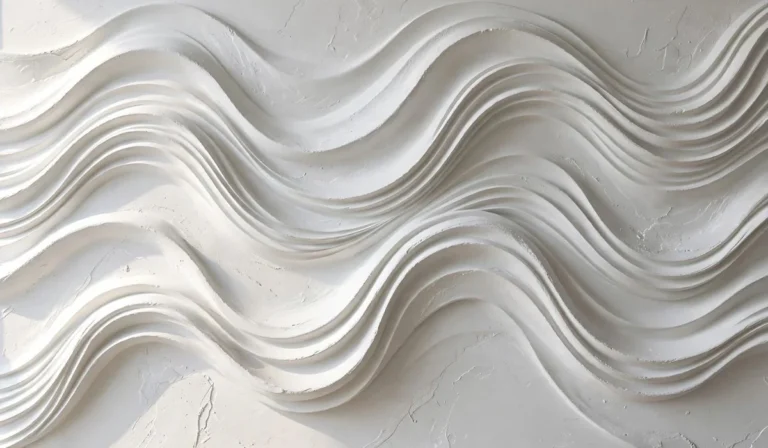
18. Texture Experiment
Create a piece focused primarily on texture. Use thick paint, palette-knife marks, textured paper, or other suitable art materials to build a surface that catches the light.
Texture can make even a simple monochromatic artwork visually engaging.
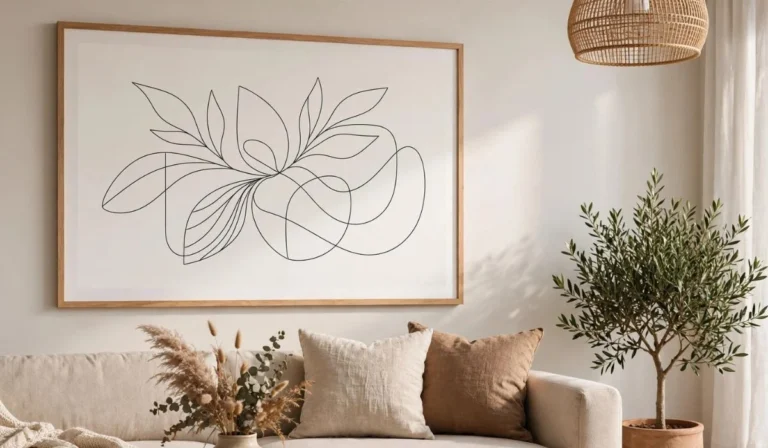
19. Continuous Line Art
Challenge yourself to create an entire illustration with one continuous line. Faces, hands, flowers, and animals can all work well.
The goal isn’t perfection—the unexpected curves and overlaps often become the most interesting parts.
20. Black-and-White Abstract
Remove color completely and work only with black, white, and different shades of gray. Use lines, dots, blocks, and patterns to create contrast.
This is a great exercise for understanding composition without relying on color.
21. Paint Pour Inspiration
Experiment with fluid acrylic techniques to create organic patterns. Tilt the surface gently and allow colors to flow into one another.
Because the movement of the paint influences the final result, every piece will have a naturally different appearance.
Everyday Objects & Creative Art Inspiration:

You don’t need exotic subjects to find inspiration. Ordinary objects can become interesting when you change their perspective, lighting, scale, or artistic treatment.
22. Coffee Cup Still Life
Place a coffee or tea cup beside a book, spoon, plant, or small plate and create a still-life composition.
Focus on shadows and highlights to give simple objects dimension.
23. Books and Reading Nook
Illustrate a cozy reading corner with stacked books, a comfortable chair, a lamp, and a small plant.
Warm colors can give the artwork a relaxing, homey feeling.
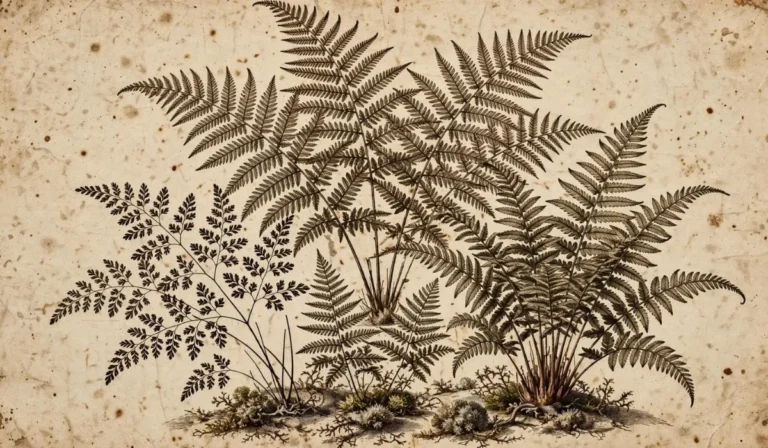
24. Favorite Plant Illustration
Choose a houseplant and study its leaves carefully. Draw or paint the plant from an unusual angle instead of simply copying its overall shape.
Try placing the plant against a patterned or colorful background.
25. Window View
Draw what someone might see while looking through a window. It could be a rainy street, garden, city skyline, snowy landscape, or sunset.
Adding the window frame creates a natural border for the composition.
26. Desk Still Life
Arrange everyday desk items such as pencils, notebooks, glasses, heahones, scissors, and a small plant.
Rather than making everything perfectly organized, allow objects to overlap naturally.
27. Favorite Food Illustration
Turn a favorite meal, dessert, or snack into colorful artwork. Pizza, cakes, fruit, coffee, ice cream, and pastries can all make playful subjects.
Try a cute illustrated style instead of realistic rendering for a fun result.
28. Personal Memory Artwork
Think about a memorable place, moment, person, or experience and translate it into an image. It doesn’t have to be a literal scene.
You can combine symbols, colors, objects, and scenery to represent the memory emotionally.
How to Find More Art Inspiration
When creative ideas run out, change the way you observe your surroundings. Look at shadows on a wall, interesting buildings, plants in your neighborhood, unusual color combinations, or objects arranged on your desk.
Keeping a small sketchbook can also help. Whenever an idea appears, write it down or make a quick drawing. Over time, those small observations can become complete artworks.
Use a Random Subject Generator
Write different subjects on small pieces of paper—such as flowers, animals, houses, faces, clouds, food, and landscapes. Pick one subject and combine it with another random idea.
For example, combining a cat + outer space could lead to a completely new illustration.
Change Your Art Medium
If drawing feels boring, try painting. If painting feels difficult, experiment with collage, ink, colored pencils, or mixed media.
Sometimes the problem isn’t a lack of inspiration but simply using the same technique repeatedly.
Create From a Color Palette
Choose three to five colors before deciding what to draw. Then create an artwork using only those colors.
This limitation can actually make the creative process easier because you don’t have to make dozens of color decisions.
Art Inspiration for Different Skill Levels
Easy Ideas for Beginners
Start with simple subjects such as flowers, clouds, leaves, fruit, basic landscapes, geometric shapes, and doodles. These allow you to practice without worrying about complicated anatomy or perspective.
More Challenging Ideas
Portraits, detailed landscapes, character design, realistic still life, and expressive figures can provide a greater challenge once you’re comfortable with basic techniques.
Creative Ideas for Experienced Artists
Try combining multiple concepts. A portrait could contain a landscape inside the silhouette, while a botanical drawing could be combined with geometric shapes and abstract textures.
The goal is to move beyond copying references and begin developing your own visual language.
Simple Ways to Turn Inspiration Into Finished Art
An idea becomes easier to manage when you break it into smaller steps. Start with a thumbnail sketch, decide where the main subject will sit, choose your color palette, and then gradually add details.
Don’t judge the artwork too early. A rough beginning doesn’t necessarily indicate a poor final result. Many successful pieces develop through several layers of changes, corrections, and experimentation.
Frequently Asked Questions
What is a good source of art inspiration?
Nature, everyday objects, photographs, personal memories, architecture, fashion, music, books, and emotions can all inspire artwork. Sometimes simply changing your surroundings can help you notice subjects you previously overlooked.
What can I draw when I have no inspiration?
Start with something directly in front of you, such as a cup, plant, shoe, hand, or piece of fruit. You can also combine two unrelated subjects to create an unusual drawing prompt.
How do artists find new ideas?
Artists often use observation, reference photos, sketchbooks, experimentation, travel, personal experiences, and other forms of creative work to generate ideas. Trying a new medium can also lead to unexpected inspiration.
What are some easy art ideas for beginners?
Simple landscapes, flowers, doodles, geometric art, moon scenes, botanical drawings, and still-life objects are good starting points. They can be made more detailed as your skills improve.
How can I make my art more creative?
Try changing the perspective, scale, colors, subject combinations, or medium. You can also intentionally break realistic rules and experiment with unusual compositions.
What should I draw as an adult?
Adults can explore portraits, fashion illustrations, landscapes, abstract paintings, botanical studies, still life, character design, and personal memory artwork. Choose subjects that genuinely interest you rather than focusing only on what is popular.
How do I develop my own art style?
Create consistently and experiment with different subjects, techniques, materials, and color palettes. Over time, repeated choices in line quality, composition, color, and subject matter naturally begin to form a recognizable personal style.