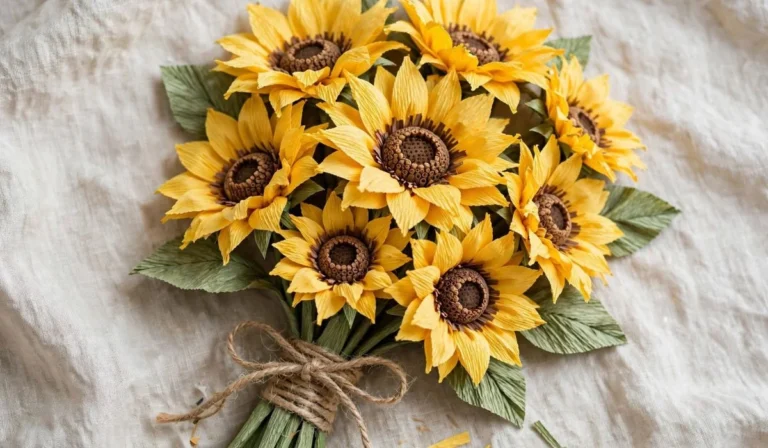
25 Embroidery For Beginners | Easy and Creative Ideas
Embroidery is one of the easiest textile crafts to start because you only need a few basic supplies and a handful of simple stitches. With embroidery floss, a needle, fabric, and a little practice, beginners can create decorative artwork, personalized gifts, clothing details, and useful handmade projects.
If you are looking for embroidery for beginners, start with uncomplicated shapes and repeating patterns. Small projects are especially useful because they allow you to practice stitches without feeling overwhelmed. These 25 ideas are divided into four categories, featuring different patterns and styles from simple geometric designs to cute decorative projects.
Simple Embroidery Patterns
1. Minimal Leaf Stems
Create several thin stems with small leaves using green embroidery floss. Use a backstitch for the stems and simple satin or straight stitches for the leaves.
This is an excellent first project because the shapes are small and do not require complicated outlines.
2. Simple Sun Embroidery
Stitch a small circular sun in the center of a fabric hoop and surround it with straight-stitch rays. Use yellow, orange, or warm neutral colors.
You can make the sun completely flat or use longer stitches to create a textured appearance.
3. Embroidered Clouds
Create fluffy clouds using small curved outlines or satin stitches. Add tiny raindrops, stars, or a rainbow underneath for additional decoration.
Cloud shapes are easy to draw freehand, making them suitable for beginners.
4. Basic Geometric Shapes
Practice embroidery by creating circles, triangles, squares, diamonds, and arches. Outline each shape using backstitch or running stitch.
Try different thread colors for every shape to turn a basic practice exercise into modern hoop art.
5. Simple Mountain Scene
Create a tiny mountain landscape with triangular peaks, a small sun, and a few lines representing the ground.
Use dark thread for the mountain outline and lighter colors for the sky and landscape details.
6. Embroidered Rain Drops
Stitch a collection of small raindrops across a fabric background. Each drop can be made with a simple outline or filled with satin stitches.
Combine blue, lavender, and gray for a soft rainy-day theme.
7. Tiny Wave Pattern
Practice repeating curved lines to create a simple ocean-inspired embroidery pattern. Use different shades of blue to make the waves more dynamic.
The repeating motion also helps beginners develop more consistent stitch tension.
Cute and Fun Beginner Embroidery
8. Little Penguin
Create a simple penguin using basic black, white, and orange shapes. Keep the body rounded and use small stitches for the face and feet.
You can place the penguin in the center of a hoop or repeat tiny penguins across a fabric strip.
9. Smiling Sunflower
Make a cheerful sunflower with a round center and simple petals. Add a smiling face in the middle for a playful twist.
Yellow and brown embroidery floss creates a traditional appearance, while pastel colors produce a softer version.
10. Tiny Strawberry
A strawberry is an easy fruit shape to embroider because its outline can be simplified. Use red or pink thread for the fruit and green thread for the leaves.
Add tiny yellow or cream stitches as seeds.
11. Cute Ghost
Create a small rounded ghost with two dark eyes and a tiny embroidered mouth. White thread looks especially effective against black, navy, or purple fabric.
This design can be adapted for Halloween decorations or year-round cute artwork.
12. Little Bee
Make a tiny bee using black and yellow horizontal sections with small wings. Use straight stitches for the body and simple outlines for the wings.
A few embroidered flowers around the bee can turn it into a miniature garden scene.
13. Simple Cat Face
A cat face can be created with just a few lines for the ears, eyes, nose, and whiskers. Use black, brown, gray, or colorful thread.
This is a useful beginner project for learning how a few simple lines can create recognizable artwork.
Decorative and Nature-Inspired Projects
14. Crescent Moon
Stitch a crescent moon using satin stitch, backstitch, or a combination of both. Add small stars around it for a celestial design.
Dark blue fabric with pale thread can create a strong night-sky contrast.
15. Simple Butterfly
Create a symmetrical butterfly with two large wings and a small central body. Outline the wings first and then add a few decorative lines inside.
Try bright colors such as pink, turquoise, purple, or orange.
16. Embroidered Seashells
Stitch small seashell shapes using curved lines that follow the natural structure of a shell. Beige, coral, peach, and sandy colors work well.
Several different shell shapes can be arranged into a coastal-themed hoop.
17. Tiny Cactus Collection
Create several small cactus shapes in individual pots. Use green thread for the plants and contrasting colors for the pots.
French knots can represent tiny cactus spines without making the design too complicated.
18. Simple Mountain and Pine Trees
Combine triangular mountains with small pine trees to create an outdoor landscape. Use dark green and brown thread for the trees and muted colors for the mountains.
This design can be expanded into a larger landscape once you become comfortable with basic stitches.
19. Embroidered Dandelion
Use a long stem with several radiating stitches at the top to create a simple dandelion. Add tiny detached stitches around it to represent seeds floating through the air.
This pattern looks delicate when stitched with one or two thread colors.
Useful and Personalized Beginner Embroidery
20. Initial Monogram
Choose one large initial and decorate it with small dots, leaves, stars, or simple borders.
Backstitch is ideal for thin lettering, while satin stitch can create a bolder monogram.
21. Embroidered Bookmark
Use a strip of felt, cotton, or canvas as a bookmark base. Add a simple geometric border, flower, leaf, moon, or initial.
Keep the embroidery relatively flat so the finished bookmark remains comfortable between book pages.
22. Personalized Pocket Design
Decorate a shirt, jacket, tote bag, or fabric pocket with a small embroidered motif. A tiny flower, fruit, animal, or initial can create a subtle personalized detail.
For clothing projects, make sure the fabric can handle repeated stitching without becoming distorted.
23. Simple Embroidered Patch
Create a small embroidered patch featuring a star, flower, smiley face, fruit, or other simple shape. Finish the edges carefully before attaching it to clothing or bags.
Patches are particularly useful because you can practice embroidery separately before adding the finished design to another item.
24. Embroidered Fabric Label
Create a small handmade label with a short word such as “Handmade,” “Create,” “Smile,” or a personal name.
Use a simple border around the lettering to give the label a finished appearance.
25. Beginner Stitch Sampler
Make one small fabric sampler containing different basic stitches. Divide the fabric into sections and practice running stitch, backstitch, chain stitch, satin stitch, French knots, and straight stitches.
This project is useful because you can learn several techniques without committing to one complicated design.
Basic Embroidery Supplies for Beginners
A beginner embroidery kit can be very simple. You do not need a large collection of specialty tools when starting.
Useful supplies include:
- Embroidery hoop
- Embroidery floss
- Embroidery needles
- Cotton, linen, felt, or canvas fabric
- Small sharp scissors
- Fabric marking pen or pencil
- Embroidery pattern
- Optional thimble
- Optional thread organizer
Choose a medium-sized hoop for your first project. A hoop that is too small can make larger designs difficult, while a very large hoop may feel awkward when learning to control the fabric.
Easy Stitches to Learn First
Running Stitch
Running stitch is one of the simplest embroidery stitches. The needle moves in and out of the fabric in a repeated line.
It is useful for borders, simple drawings, waves, and geometric patterns.
Backstitch
Backstitch creates a continuous-looking line and is excellent for outlines, lettering, and small illustrations.
It is one of the most useful stitches for beginners because it provides good control.
Straight Stitch
Straight stitches can be placed individually to create rays, grass, leaves, feathers, stars, and decorative lines.
Satin Stitch
Satin stitch fills an area with closely placed stitches. It takes slightly more practice because the stitches need to remain relatively even.
French Knot
French knots create small raised dots. They are useful for flower centers, eyes, seeds, stars, berries, and decorative textures.
How to Start Your First Embroidery Project
Begin by choosing a small pattern with uncomplicated shapes. Transfer the design onto fabric using a fabric-safe marking tool.
Place the fabric inside the embroidery hoop and make sure it is reasonably taut. Separate your embroidery floss if you need thinner stitching.
Thread the needle and begin with a simple stitch such as running stitch or backstitch. Work slowly rather than trying to make the stitches perfect immediately.
When changing colors, secure the thread neatly on the back. Once the design is finished, remove the fabric from the hoop or use the hoop as part of the final decoration.
Beginner Embroidery Color Ideas
Color can completely change the appearance of an embroidery project.
Try pastel combinations such as lavender, peach, mint, pale blue, and soft pink for a delicate style.
Use earth tones such as brown, olive, cream, rust, and beige for a natural appearance.
For a bold modern look, combine black with one or two bright colors.
A monochrome design can be made using several shades of one color, such as light blue, medium blue, and navy.
Common Beginner Mistakes to Avoid
One common mistake is pulling the thread too tightly. Excessive tension can cause fabric to pucker around the stitches.
Another problem is using too many strands of floss for tiny details. Smaller designs often look cleaner with fewer strands.
Avoid starting with an extremely detailed pattern. Simple designs allow you to focus on learning the stitches instead of constantly correcting complicated details.
It is also helpful to keep the back of your work reasonably tidy. Loose threads can become tangled and may interfere with later stitches.
Interesting Embroidery Facts
Embroidery can be performed on many different textile surfaces, including cotton, linen, denim, canvas, and felt.
Embroidery floss is commonly made from multiple strands, allowing stitchers to adjust the thickness of their work.
An embroidery hoop helps keep fabric stable while stitching, which can make it easier to maintain consistent tension.
Many embroidery stitches can be used in more than one way. For example, straight stitches can create flower petals, sun rays, grass, stars, or geometric details.
Small embroidery designs are useful for beginners because they can often be completed quickly while providing practice with fundamental techniques.
Tips for Making Beginner Embroidery Easier
Start with a light-colored fabric if you are learning. It makes both the pattern and stitches easier to see.
Use a sharp needle appropriate for the fabric. A dull needle can make stitching more difficult and may damage delicate materials.
Practice individual stitches on scrap fabric before starting your final project.
Keep your thread length manageable. Extremely long pieces can tangle more easily as you work.
Take breaks during longer projects. Relaxing your hands can help you maintain more consistent stitches.
FAQs About Embroidery for Beginners
What is the easiest embroidery project for a beginner?
Simple leaves, clouds, geometric shapes, hearts, suns, and small flowers are excellent first projects because they use basic stitches and uncomplicated shapes.
What embroidery stitch should a beginner learn first?
Running stitch and backstitch are good starting points. They are easy to understand and useful for outlines, borders, lettering, and simple illustrations.
How much embroidery floss should beginners use?
Six-strand embroidery floss can be separated into individual strands. Using fewer strands creates finer details, while several strands produce thicker stitches.
Do beginners need an embroidery hoop?
A hoop is not absolutely required, but it is highly recommended. It helps stabilize the fabric and can make it easier to maintain consistent tension.
Can I learn embroidery without drawing?
Yes. Beginners can use printed patterns or simple templates. You can trace a design onto fabric before stitching it.
What fabric is easiest for beginner embroidery?
Medium-weight cotton is a convenient choice for beginners because it is relatively easy to stitch and works well with many basic embroidery patterns.