25 Free Crochet Stitches | Simple Patterns for Beginners
Crochet is built on a handful of simple stitches that can be combined to create hundreds of beautiful textures and patterns. Whether you’re making blankets, scarves, dishcloths, garments, or home décor, learning a variety of easy crochet stitches will expand your skills and make every project more enjoyable.
This guide features 25 easy crochet stitches that range from basic beginner techniques to simple textured stitch patterns. Each stitch is easy to practice, works well for different projects, and helps you build confidence as your crochet skills improve.
If you’re new to crochet or looking to add fresh textures to your projects, these stitches are excellent choices.
Why Learn Different Crochet Stitches?
Mastering a variety of stitches allows you to create unique fabrics, add texture, and customize projects without learning complicated techniques.
Benefits include:
- Improves crochet skills
- Adds beautiful texture
- Creates stronger fabric
- Makes projects more interesting
- Suitable for beginners
- Works with many yarn types
Crochet Supplies You’ll Need
Before practicing stitches, gather these essentials:
- Crochet hook (4 mm–6 mm)
- Medium-weight yarn
- Stitch markers
- Yarn needle
- Scissors
- Measuring tape
1. Chain Stitch
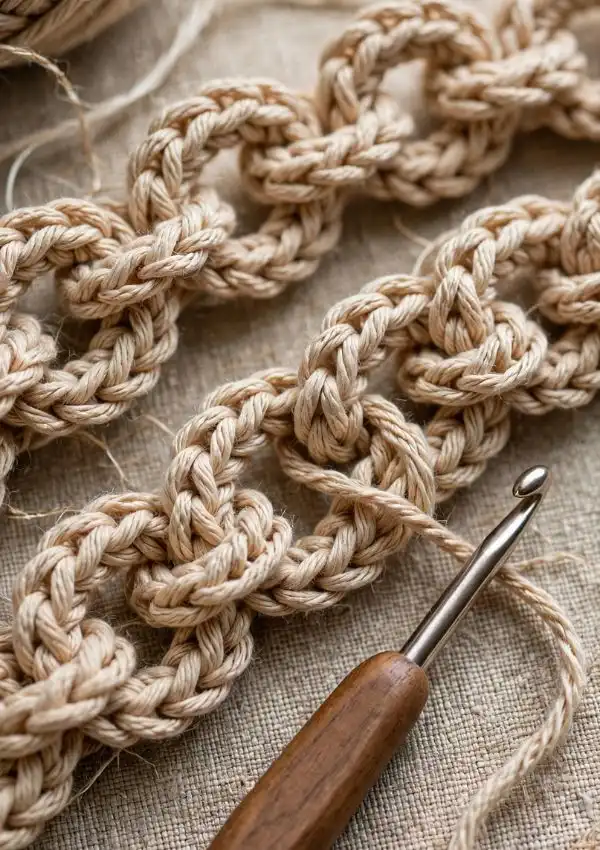
The Foundation of Crochet
The chain stitch is the starting point for nearly every crochet project.
Difficulty: Beginner
Best For: Foundations, turning chains, decorative chains.
2. Slip Stitch

Perfect for Joining
Slip stitches join rounds, finish edges, and create smooth transitions.
Difficulty: Beginner
Best For: Hats, granny squares, finishing seams.
3. Single Crochet Stitch
Strong and Durable
One of the simplest stitches that creates dense fabric.
Difficulty: Beginner
Best For: Amigurumi, baskets, dishcloths.
4. Half Double Crochet
Fast and Versatile
Taller than single crochet but shorter than double crochet.
Difficulty: Beginner
Best For: Scarves, blankets, hats.
5. Double Crochet
A Crochet Essential
Creates soft fabric that works up quickly.
Difficulty: Beginner
Best For: Shawls, blankets, sweaters.
6. Treble Crochet
Extra Height
Produces long elegant stitches with airy spacing.
Difficulty: Easy
Best For: Lightweight shawls and wraps.
7. Moss Stitch
Beautiful Woven Texture
Alternates single crochet and chain stitches for a modern appearance.
Difficulty: Beginner
Best For: Blankets and scarves.
8. Lemon Peel Stitch
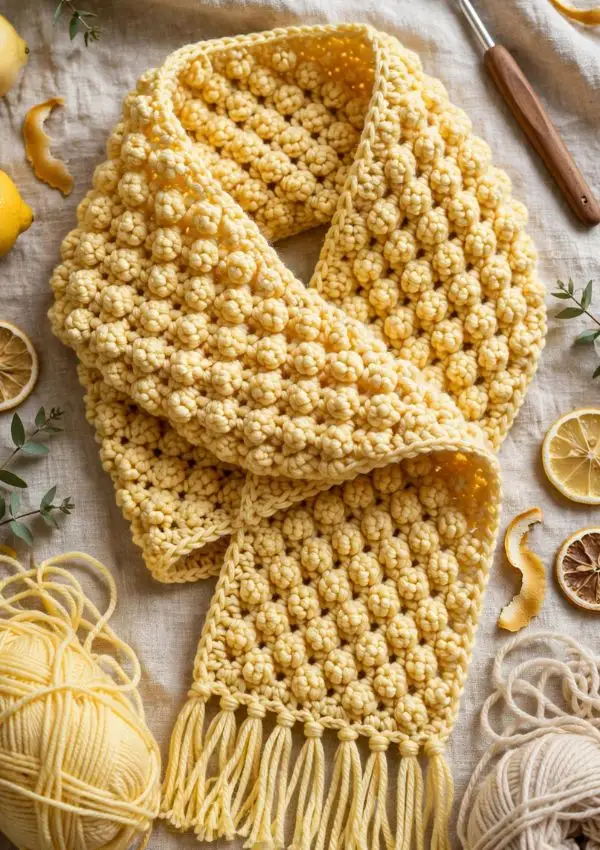
Simple Yet Elegant
Alternates single and double crochet stitches.
Difficulty: Beginner
Best For: Dishcloths, blankets, pillows.
9. Granny Stitch
Timeless Classic
Groups of double crochet create the traditional granny square appearance.
Difficulty: Beginner
Best For: Blankets and bags.
10. Suzette Stitch
Soft and Thick
Combines single and double crochet into the same stitch.
Difficulty: Beginner
Best For: Baby blankets and scarves.
11. Seed Stitch
Lovely Texture
Alternating stitches create a balanced, textured surface.
Difficulty: Beginner
Best For: Washcloths and home décor.
12. Wattle Stitch
Soft and Flexible
Produces a beautiful fabric with minimal effort.
Difficulty: Easy
Best For: Baby blankets.
13. Crunch Stitch
Thick and Cozy
Alternates half double crochet with slip stitches.
Difficulty: Easy
Best For: Winter accessories.
14. Even Moss Stitch
Modern Minimalism
Creates smooth woven texture with easy repeats.
Difficulty: Beginner
Best For: Contemporary blankets.
15. Blanket Stitch
Fast Growing Fabric
Creates wide rows that finish quickly.
Difficulty: Beginner
Best For: Large throws.
16. Mini Bean Stitch
Soft Raised Texture
Tiny puff-like stitches create beautiful dimension.
Difficulty: Easy
Best For: Baby gifts.
17. Bean Stitch
Rich Surface Design
A slightly larger textured stitch with excellent warmth.
Difficulty: Easy
Best For: Hats and scarves.
Read Next: 20 Crochet Patterns For Free
18. Spider Stitch
Delicate Appearance
Alternates chain spaces with single crochet.
Difficulty: Beginner
Best For: Lightweight blankets.
19. V Stitch
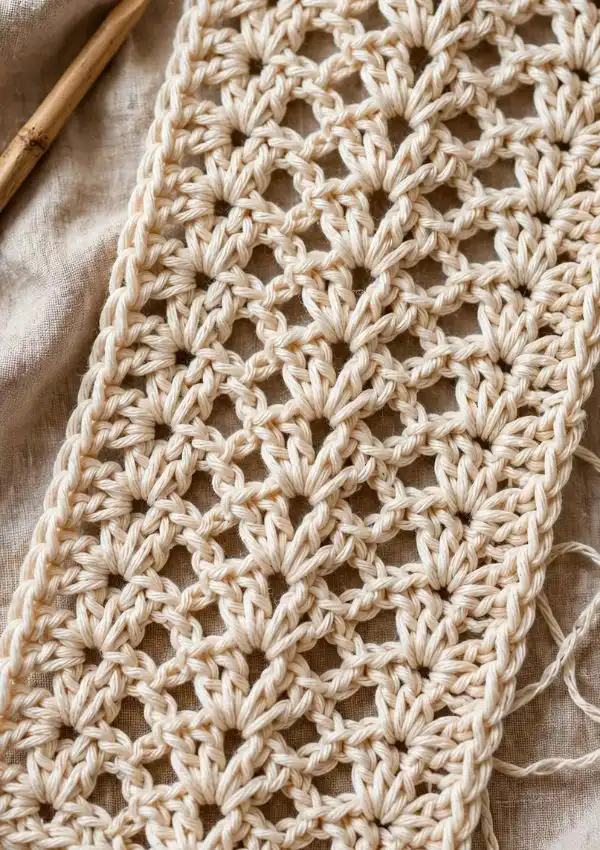
Light and Airy
Double crochet stitches form repeating “V” shapes.
Difficulty: Beginner
Best For: Summer garments.
20. Feather Stitch
Elegant Texture
Creates soft flowing lines throughout the fabric.
Difficulty: Easy Intermediate
Best For: Decorative throws.
21. Block Stitch
Bold Color Design
Alternating solid rows and chain spaces create geometric patterns.
Difficulty: Beginner
Best For: Colorful blankets.
22. Linen Stitch
Woven Look
Also known as fabric stitch, it creates a clean modern texture.
Difficulty: Beginner
Best For: Market bags and blankets.
23. Ripple Stitch
Flowing Waves
Simple increases and decreases create a zigzag effect.
Difficulty: Easy
Best For: Afghan blankets.
24. Shell Stitch

Decorative Elegance
Groups of stitches create delicate fan shapes.
Difficulty: Easy
Best For: Shawls and borders.
25. Puff Stitch
Soft Dimensional Finish
Raised puff stitches create luxurious texture.
Difficulty: Easy Intermediate
Best For: Baby blankets and pillows.
How to Practice Crochet Stitches
Make Small Swatches
Practice each stitch on a square approximately 6 inches wide before using it in a larger project.
Use Smooth Yarn
Smooth acrylic yarn makes stitches easier to identify than fuzzy or textured yarn.
Crochet Slowly
Focus on consistent tension instead of speed while learning.
Repeat Frequently
Repeating the same stitch helps build muscle memory.
Label Your Samples
Keep each swatch as a reference for future projects.
Choosing the Right Stitch
Different projects benefit from different stitch patterns.
Dense Stitches
Single crochet, Suzette stitch, bean stitch, and crunch stitch are excellent for baskets, potholders, and warm accessories.
Lightweight Stitches
Treble crochet, V stitch, shell stitch, and spider stitch work well for shawls and summer garments.
Textured Stitches
Puff stitch, ripple stitch, mini bean stitch, feather stitch, and lemon peel stitch add visual interest to blankets and pillows.
Everyday Favorites
Moss stitch, linen stitch, granny stitch, and blanket stitch are versatile enough for almost any project.
Best Beginner Projects to Practice These Stitches
Once you’ve mastered a few stitches, try using them in simple projects such as:
- Baby blankets
- Dishcloths
- Coasters
- Scarves
- Table runners
- Pillow covers
- Tote bags
- Mug cozies
- Washcloths
- Placemats
These small projects help reinforce stitch patterns while creating practical handmade items.
Tips for Better Crochet Results
Keep Consistent Tension
Even stitches create cleaner, more professional-looking projects.
Count Every Row
Counting stitches prevents accidental increases and uneven edges.
Choose the Correct Hook Size
Always match your hook to the yarn weight recommended on the yarn label.
Block Finished Projects
Blocking improves stitch definition and helps projects keep their intended shape.
Practice Regularly
Even 15–20 minutes of daily crochet practice can significantly improve your skills over time.
Frequently Asked Questions
What is the easiest crochet stitch?
The chain stitch and single crochet are considered the easiest stitches and form the foundation of most crochet projects.
Which crochet stitch works up the fastest?
Treble crochet and double crochet create taller stitches, allowing projects like blankets and scarves to grow more quickly.
What stitch is best for crochet blankets?
Moss stitch, granny stitch, blanket stitch, ripple stitch, and V stitch are popular choices because they create soft, durable fabrics.
Which crochet stitch uses the least yarn?
Slip stitch and single crochet use less yarn than taller stitches, although they also produce denser fabric.
How many crochet stitches should beginners learn?
Learning the first five basic stitches—chain, slip stitch, single crochet, half double crochet, and double crochet—provides a strong foundation. From there, textured stitches become much easier to master.