30 Embroidery Ideas To Sell | Handmade Designs That Customers Love
Embroidery is more than a traditional needle-and-thread craft. With the right designs, it can become a product-based creative business built around personalized gifts, fashion accessories, home décor, and small handmade items.
The most useful embroidery ideas to sell are products that combine attractive stitching with a clear purpose. A personalized hoop can become a keepsake, a decorated tote can become an everyday accessory, and a tiny embroidered patch can become an affordable collectible.
If you are planning to sell embroidery online, at craft fairs, through social media, or from your own handmade shop, these 30 ideas can help you build a product collection without relying on only one type of item.
1. Personalized Embroidery Hoops
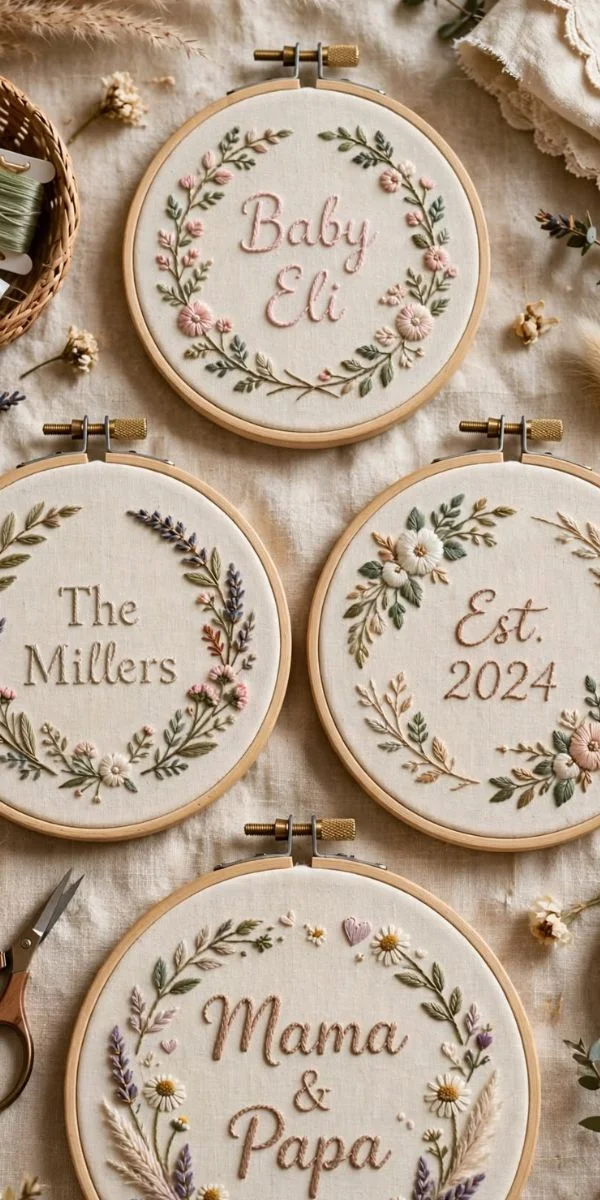
Embroidery hoops are among the easiest products to turn into personalized artwork.
Ideas Customers Can Customize
Names, initials, dates, short quotes, birth flowers, family names, and meaningful symbols can all be incorporated into a hoop.
A floral border around personalized lettering can make a simple design feel more finished without requiring an extremely complicated stitch pattern.
2. Embroidered Floral Wall Art
Botanical embroidery can work as standalone artwork or as part of a coordinated collection.
Designs to Try
Create wildflower arrangements, roses, daisies, lavender, leaves, vines, sunflowers, or minimalist single-stem flowers.
Different color palettes can turn the same basic concept into romantic, modern, rustic, or colorful décor.
3. Custom Pet Portrait Embroidery
Pet portraits offer a strong personalization element because every finished piece can be based on a customer’s animal.
Keep the Portrait Recognizable
You do not need to reproduce every tiny feature. Focus on the animal’s face, silhouette, distinctive markings, ears, eyes, and coloring.
Ask customers for a clear reference photograph before beginning a custom order.
4. Embroidered Tote Bags
Tote bags combine useful functionality with decorative stitching.
Small Designs Can Work
Try flowers, books, fruits, mushrooms, cats, butterflies, initials, coffee cups, or simple botanical motifs.
You can also create collections where several tote bags share a similar visual style.
5. Embroidered Denim Jackets
Denim gives you a larger area for creative embroidery.
Where to Stitch
Consider the back panel, chest, sleeves, cuffs, collars, or pockets.
Floral vines, celestial designs, names, animals, landscapes, and colorful botanical patterns can all be adapted to denim.
6. Embroidered Sweatshirts
Sweatshirts can be customized with small designs that feel subtle rather than overly decorative.
Minimalist Ideas
Small flowers, initials, stars, tiny animals, hearts, clouds, or short words can be stitched near the chest or sleeve.
Offering several sweatshirt colors can allow customers to personalize the overall appearance.
7. Embroidered T-Shirts
T-shirts are another practical surface for embroidery.
Start With Simple Motifs
A tiny flower, fruit, butterfly, mushroom, star, or word can create a clean design.
Small embroidery can also be easier to produce consistently than a large, densely stitched illustration.
8. Embroidered Baby Name Décor
Personalized nursery pieces can combine names with gentle decorative motifs.
Add a Theme
Try clouds, moons, rainbows, animals, flowers, stars, woodland creatures, or simple botanical elements.
For baby products, avoid detachable decorative elements that could create safety concerns.
9. Embroidered Bookmarks
Fabric bookmarks are compact products that can be developed into several collections.
Create Different Themes
Book lovers may enjoy flowers, tiny books, cats, celestial motifs, literary-inspired patterns, or simple initials.
You can also sell coordinated sets rather than only individual bookmarks.
10. Embroidered Patches
Patches can be sold individually or in themed groups.
Build a Collection
Create patches around flowers, animals, food, hobbies, travel, initials, seasonal motifs, or cute miniature objects.
Their small size makes them suitable for jackets, bags, hats, pencil cases, and other fabric items.


Ideas 11–20
11. Embroidered Keychains
Tiny embroidered keychains can turn miniature artwork into an affordable accessory.
Shapes to Explore
Hearts, stars, flowers, mushrooms, animals, initials, fruits, clouds, and tiny houses are easy concepts to adapt.
Because the finished pieces are small, you can experiment with multiple designs within one collection.
12. Personalized Handkerchiefs
Handkerchiefs can become elegant gifts with understated embroidery.
Monograms Work Well
Initials, names, dates, and small floral corners can give a plain handkerchief a personalized appearance.
These can also be positioned as wedding, anniversary, birthday, or keepsake gifts.
13. Embroidered Pouches
Zipper pouches offer a useful surface for decorative embroidery.
Give Each Pouch a Purpose
Design separate collections for cosmetics, stationery, travel accessories, coins, or small personal items.
Names and initials can make otherwise simple pouches more distinctive.
14. Embroidered Pencil Cases
A pencil case can become a fun handmade product for students, artists, and stationery enthusiasts.
Motifs for Pencil Cases
Try pencils, paintbrushes, books, flowers, animals, fruit, stars, or personalized lettering.
A small embroidered name can be enough to transform the product into a custom item.
15. Embroidered Hair Bows
Fabric bows can be decorated with small stitched motifs.
Keep the Pattern Light
Tiny flowers, hearts, initials, stars, or leaves can add detail without making the accessory too heavy.
Matching embroidered bows can also be packaged as sets.
16. Embroidered Scrunchies
Scrunchies provide another small product category for experimenting with embroidery.
Create Seasonal Designs
Flowers can work for spring collections, leaves for autumn, snowflakes for winter, and colorful motifs for summer.
Because the embroidery area is limited, simple patterns are usually easier to manage.
17. Embroidered Cushion Covers
Cushion covers allow you to move into larger home décor pieces.
Use Larger Botanical Compositions
Long stems, leafy branches, flowers, abstract forms, and geometric arrangements can fill a larger surface.
You can create matching cushion designs to form a coordinated collection.
18. Embroidered Wall Hangings
Wall hangings can combine stitched fabric with wooden dowels, fringe, tassels, or fabric borders.
Make Them Themed
Nature scenes, flowers, mountains, moons, stars, inspirational words, and abstract designs can each become separate product collections.
Larger wall pieces require more stitching time, so calculate labor carefully when pricing them.
19. Embroidered Wedding Gifts
Wedding embroidery can focus heavily on personalization.
What to Add
Names, wedding dates, initials, flowers, rings, or a short meaningful phrase can be incorporated into hoops, handkerchiefs, cushions, or framed pieces.
A simple design can sometimes feel more elegant than an extremely dense composition.
20. Embroidered Anniversary Keepsakes
Anniversary products can be designed around a couple’s shared milestone.
Personal Details
Consider names, an important date, initials, a simple floral arrangement, or a small representation of a meaningful location.
A consistent design can also be adapted into different product sizes and price ranges.


Ideas 21–30 + Selling Guide
21. Embroidered Christmas Ornaments
Holiday ornaments can become a seasonal embroidery collection.
Designs to Stitch
Snowflakes, Christmas trees, stockings, stars, bells, gingerbread shapes, candy canes, reindeer, and personalized names are all possible themes.
Adding a year or family name can turn an ornament into a yearly keepsake.
22. Embroidered Tea Towels
Tea towels offer a practical canvas for decorative stitching.
Kitchen Themes
Lemons, herbs, strawberries, coffee cups, baking tools, flowers, vegetables, and simple kitchen phrases can create different collections.
Sets of coordinated towels can make the product more suitable for gifting.
23. Embroidered Coasters
Fabric coasters are small enough to produce as matching sets.
Keep the Designs Consistent
Use one motif across four or six coasters, or create a different design for every piece within the same color palette.
Flowers, leaves, fruit, geometric shapes, and initials are simple starting points.
24. Embroidered Journal Covers
A fabric journal cover can become both decorative and functional.
Match the Design to the Customer
Book-themed embroidery works for readers, botanical patterns suit nature lovers, and initials can appeal to customers looking for minimalist personalization.
A small pocket can provide additional functionality.
25. Embroidered Greeting Cards
Embroidery can be combined with cardstock to create handmade greeting cards.
Build Occasion-Based Collections
Consider birthdays, weddings, thank-you cards, baby showers, Mother’s Day, Valentine’s Day, Christmas, and graduation.
Because the designs are small, this category can provide room for many different patterns.
26. Embroidered Denim Pockets
You do not have to embroider an entire jacket or pair of jeans.
Focus on One Small Area
A pocket can become the focal point for flowers, butterflies, mushrooms, initials, stars, or tiny landscapes.
This approach can also make larger clothing projects less time-consuming.
27. Embroidered Phone Sleeves
A fabric phone sleeve gives embroidery a practical purpose.
Personalize the Front
Initials, flowers, names, tiny animals, stars, or minimalist symbols can be added to the sleeve.
Make sure the dimensions and closure are appropriate for the intended phone size.
28. Embroidered Baby Bibs
Baby bibs can be personalized with names or small decorative designs.
Choose Simple Motifs
Animals, clouds, rainbows, flowers, fruits, and initials can work well on a small bib surface.
Prioritize appropriate construction and avoid decorations that could become loose or hazardous.
29. Embroidered Gift Sets
Combining several small products can create a more complete handmade gift.
Example Combinations
A floral set might include a bookmark, pouch, keychain, and handkerchief.
A personalized set could include a name hoop, matching pouch, and embroidered accessory.
30. Custom Embroidery Artwork
If you enjoy detailed stitching, offer made-to-order artwork.
Possible Custom Requests
Customers may want family portraits, houses, landscapes, pets, wedding scenes, meaningful objects, or personalized illustrations.
Custom artwork generally requires more planning than ready-made products, so include design time, communication, stitching, finishing, and packaging when calculating your price.
How to Choose Embroidery Products to Sell
You do not need to launch 30 products at once.
Begin With a Small Product Range
Choose several items that use similar materials and skills. For example, hoops, bookmarks, patches, and keychains can form a small embroidery collection.
Once you understand which designs attract interest, you can expand into larger or more specialized products.
Think About Production Time
Two products may use similar amounts of thread but require very different amounts of labor.
A tiny item that takes two hours to stitch should not automatically be priced lower than a larger item that takes less time.
What Should Be Included in Your Embroidery Price?
Your price needs to account for the full cost of producing and selling the item.
Calculate More Than Material Costs
Consider:
- Fabric
- Embroidery thread
- Needles and tools
- Hoops
- Zippers or hardware
- Packaging
- Labels
- Shipping materials
- Marketplace or payment fees
- Design preparation
- Stitching time
- Finishing time
Do Not Treat Your Labor as Free
Your stitching skill is part of the product. A price that only covers fabric and thread may leave little room to sustain the business.
How to Make Embroidery Products More Attractive
Create Recognizable Collections
Instead of producing unrelated designs, group products by theme.
For example, a mushroom collection could include a tote, patch, bookmark, pouch, and keychain.
Offer Personalization Carefully
Names, initials, dates, and color choices can make products more personal, but custom orders also require additional communication and preparation.
Use Clear Product Photography
Show the full item as well as close-up photographs of the stitching.
Demonstrate Scale
A photograph showing the product in use can help customers understand its actual size.
Embroidery Niches You Can Explore
Botanical Embroidery
Flowers, leaves, herbs, mushrooms, and wild plants can be developed into a broad collection.
Personalized Embroidery
Names, monograms, dates, pets, and custom illustrations give customers opportunities to request individual designs.
Cute Mini Embroidery
Tiny animals, food, fruits, clouds, stars, and colorful objects can work across patches, keychains, clothing, and accessories.
Seasonal Embroidery
Christmas, Valentine’s Day, Halloween, spring, weddings, and other occasions can provide rotating product themes.
Where to Sell Handmade Embroidery
Embroidery products can be offered through an independent website, handmade marketplaces, social media storefronts, local craft fairs, pop-up markets, or direct custom orders.
Make Your Shop Visually Consistent
Use similar photography, packaging, product descriptions, and design themes so customers can recognize your work.
Frequently Asked Questions
What embroidery products are good for beginners to sell?
Small hoops, patches, bookmarks, keychains, simple tote bags, and personalized handkerchiefs can be practical starting points because they provide manageable stitching surfaces.
What embroidery items make good gifts?
Personalized hoops, pet portraits, wedding keepsakes, anniversary pieces, baby-name décor, ornaments, and embroidered gift sets can all be adapted for gifting.
Can I make money selling embroidery?
Potential profitability depends on demand, pricing, production speed, material costs, selling fees, packaging, shipping, and labor. Track your actual costs before deciding whether a product is commercially worthwhile.
Should I offer custom embroidery?
Custom embroidery can give customers more personalization options, but it also adds design and communication time. Set clear customization rules before accepting orders.
How should I price handmade embroidery?
Calculate your material costs, labor, packaging, selling fees, and other business expenses. Then set a price that accounts for the value of your time and craftsmanship.
What embroidery designs are easiest to customize?
Names, initials, dates, simple flowers, monograms, small animals, and short words are generally flexible because they can be adapted to different products.
Can I sell products made from embroidery patterns I find online?
Check the pattern creator’s licensing terms before selling finished products. A pattern being publicly available does not automatically grant commercial-use rights.
What is a good first embroidery product collection?
A small collection could include embroidered hoops, tote bags, bookmarks, patches, and keychains using the same three or four design themes.
How can I make my embroidery shop look professional?
Use consistent photography, clear product descriptions, neat finishing, reliable packaging, recognizable collections, and accurate customization information.
Are personalized embroidery products worth offering?
Personalized products can give customers a way to create something specific to themselves or someone they know. However, they require additional design and order-management time, so factor that into your pricing and workflow.
Final Thoughts
Embroidery gives you plenty of ways to build a handmade product collection without limiting yourself to traditional wall art. You can work with clothing, accessories, gifts, stationery, home décor, seasonal products, and personalized keepsakes.
Start with a manageable selection, test different design themes, record how long each product takes to make, and pay attention to which products generate genuine customer interest. Over time, a few successful designs can become the foundation for a much larger embroidery collection.